Table of Contents
Evolution Of Virtual Reality
Virtual Reality (VR) has come a long way since its inception, evolving from a concept in the 1800s to a widely popular technology in the modern era. This article explores the fascinating history of virtual reality, tracing its development from early panoramic paintings and computer-generated imagery to the advanced VR headsets available today. We’ll delve into key milestones, inventions, and advancements that have shaped the evolution of virtual reality, ultimately leading to its widespread adoption and integration in various industries.
The Origins of Virtual Reality
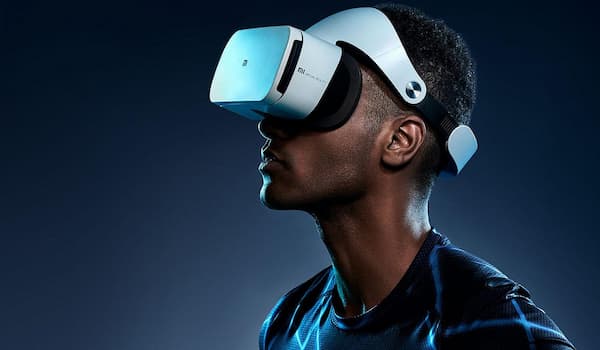
The term “virtual reality” was coined by Antonin Artaud in 1938, who described it as “theatre of the mind.” However, the concept of VR predates this, with early examples found in panoramic paintings and computer-generated imagery in the 1800s. The idea of immersing oneself in a fictional world was further explored in Stanley G. Weinbaum’s 1935 book, “Pygmalion’s Spectacles,” which featured a pair of goggles capable of transporting users into a virtual realm.
Significant advancements in VR technology began in the late 1950s when Morton Heilig invented the Sensorama, one of the first VR systems to simulate all senses. This device provided users with a multisensory experience, including visuals, sound, vibrations, and even scents. In 1968, Ivan Sutherland developed the Sword of Damocles, which is widely regarded as the first VR headset. Although large and expensive, this groundbreaking invention laid the foundation for future VR headsets.
Advancements in VR Technology
One of the most significant advancements in VR technology was the development of the Head-Mounted Display (HMD) in the 1960s. Originally used for pilot training in the aviation industry, the HMD allowed users to immerse themselves in a virtual environment and interact with it. This breakthrough paved the way for the creation of more sophisticated VR systems.
The 1980s marked another milestone in VR technology with the emergence of computer-generated imagery (CGI) and 3D graphics. These advancements enabled the creation of more realistic virtual worlds, leading to the growth of VR gaming and entertainment. The release of commercially available VR headsets, such as the Virtuality system in the 1990s, further propelled the evolution of VR technology.
During this decade, VR also found its place in education and training. It was used to simulate hazardous environments, offer hands-on experiences, and prepare students for real-world situations. The immersive nature of VR proved to be a valuable tool for enhancing learning and engaging students in a safe and controlled environment.
Evolution through Gaming
The gaming industry has played a pivotal role in driving the advancement of virtual reality technology. In the 1980s, primitive VR games like “Battlezone” provided users with a glimpse of what VR gaming could offer. These early games laid the foundation for more advanced VR gaming experiences in the 1990s.
“Dactyl Nightmare” and the Nintendo Virtual Boy were among the first VR games to incorporate head tracking, foffering a more immersive gaming experience. In recent years, VR gaming has witnessed significant advancements, with the introduction of platforms like Oculus Rift, HTC Vive, and PlayStation VR. These platforms boast a wide range of VR games that provide users with unparalleled levels of immersion and interactivity.
Transforming the VR Headset
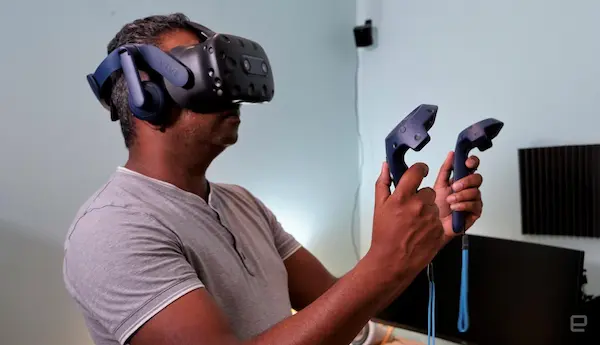
Over the years, VR headsets have undergone a remarkable transformation, evolving from bulky and expensive devices to sleek and affordable ones. In the early days of VR, expensive HMDs were primarily used for research purposes, limiting accessibility to the general public.
The evolution of VR headsets can be traced from Morton Heilig’s Telesphere Mask to Ivan Sutherland’s “Sword of Damocles” in 1968. In the 1980s, VPL Research developed the DataGlove, another significant contribution to VR technology. Since then, various manufacturers, including Oculus VR, Sony, and HTC, have released their own iterations of VR headsets, each offering improved features and enhanced user experiences.
The Evolution of VR in Education
While VR was not initially intended for educational purposes, it has found its way into various educational applications. Virtual reality has proven to be a powerful tool for language learning, anatomy training, historical simulations, and more. By simulating real-world environments, VR provides students with unique learning opportunities in a safe and controlled setting.
Educators worldwide have recognized the value of VR in enhancing student engagement and understanding. VR allows students to explore virtual environments and interact with objects and scenarios that would otherwise be inaccessible. As a result, it has become an invaluable tool in classrooms, enabling educators to create immersive and interactive learning experiences.
The Influence of Covid-19 on the Evolution of VR
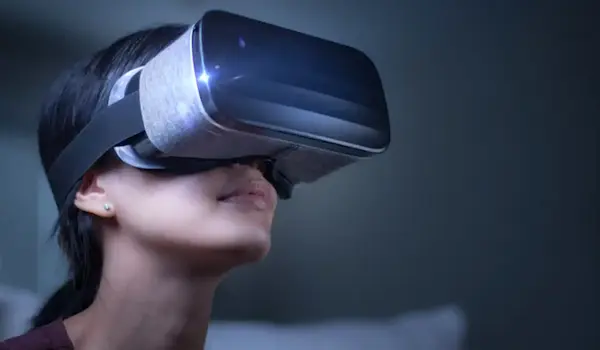
The Covid-19 pandemic had a profound impact on the virtual reality industry. While the VR industry was already experiencing rapid growth before the pandemic, the global lockdown measures further accelerated its adoption. The need for remote work, online teaching, and distance learning created a surge in demand for VR technology.
During the pandemic, VR technology played a crucial role in facilitating remote collaboration, virtual meetings, and immersive learning experiences. As a result, there has been an increased interest in VR headsets for gaming, entertainment, and education. The widespread adoption of VR during the pandemic has solidified its position as a transformative technology with a promising future.
The Future of Virtual Reality
Virtual reality is here to stay, and its continued evolution is inevitable. As VR technology becomes more affordable, user-friendly, and accessible, its popularity will only continue to grow. The market is expanding, with an increasing number of VR apps, games, and devices available to cater to diverse interests and needs.
Moreover, VR is making significant strides in various industries, including education, healthcare, retail, and tourism. Its applications range from immersive training simulations for medical professionals to virtual tours of tourist destinations. While some industries have already embraced VR, others are beginning to recognize its potential and explore ways to incorporate it into their operations.
In conclusion, the evolution of virtual reality has been a captivating journey. From its humble beginnings with panoramic paintings to the advanced VR headsets of today, VR technology has come a long way. The gaming industry has been instrumental in driving its development, while education and various industries have embraced its potential.
As virtual reality continues to evolve, we can expect greater accessibility, improved features, and expanded applications across industries. Whether for gaming, education, or other purposes, virtual reality offers transformative experiences that transport users to immersive digital realms. Embrace the evolution of virtual reality and embark on a journey into a world limited only by your imagination.