If you’re in the market for a mini drone, you’ve come to the right place. Mini drones have become increasingly popular in recent years due to their versatility and ease of use. Whether you’re a beginner looking to learn the craft or an experienced flyer, mini drones offer a great starting point without breaking the bank. In this article, we’ll discuss the top 10 mini drones that are worth considering in 2023.
Table of Contents
What is a Mini Drone?
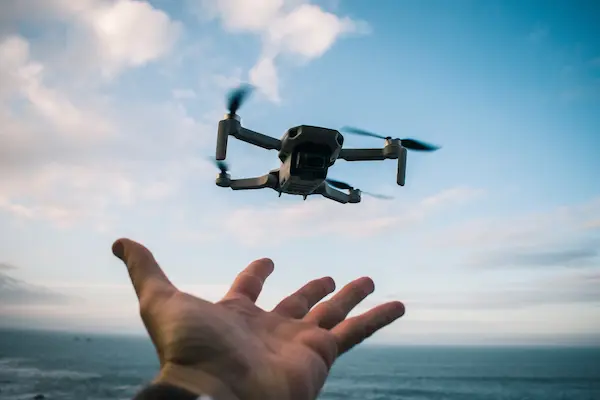
Before we dive into the list, let’s clarify what exactly a mini drone is. A mini drone is a type of unmanned aircraft system (UAS) that weighs less than 55 grams. These small flying machines are perfect for capturing photos, recording videos, and various other purposes. Some mini drones have even become indispensable tools for aerial photography, videography, surveying, mapping, and package delivery.
Things to Consider Before Buying a Mini Drone
Before making a purchase, there are several factors you should consider to ensure you choose the right mini drone for your needs. Let’s take a look at these factors:
1. Price of Mini Drones
The price of mini drones can vary significantly. It’s important to research the cost and availability of replacement parts and accessories before making a decision. Additionally, consider the compatibility of third-party parts and accessories with the drone, as equipment compatibility is a crucial aspect to consider.
2. Material Used
Mini drones are often made from different materials, such as plastic, aluminum, fiberglass, or carbon fiber. Cheaper drones are typically made from plastic, which is lightweight but may not be as durable. Aluminum drones are also lightweight but may not hold up well to accidents. If you’re looking for durability, consider drones made from fiberglass or carbon fiber, although they tend to be more expensive.
3. Range of a Mini Drone
The range of a mini drone refers to how far it can fly from the transmitter. Cheaper drones may have a limited range of only 30 meters, while more expensive ones can cover longer distances without losing contact with the controller. If you’re interested in aerial photography or videography, a longer range is essential to reach different locations and capture shots from various angles.
4. Flying Time
The flying time of a drone is determined by its battery life. On average, mini drones offer a flying time of 25 to 30 minutes. However, some cheaper models may only last for five minutes. It’s always a good idea to invest in additional batteries and charge them before heading out to extend your flying time. This way, you can easily swap the battery and double the time you can spend flying.
5. Camera
If you’re considering a mini drone with a camera, pay attention to the camera specifications. Factors such as shutter speed, frame rate, aperture, and image stabilization can affect the quality of your photographs and videos. A higher resolution and better image stabilization will result in sharper and more stable footage.
6. 3-Axis Gimbal
A 3-axis gimbal is an essential feature for a mini drone with a camera. It helps keep the camera stable while you fly, allowing for smooth and professional-looking shots. A three-axis gimbal allows the drone to stay steady while shooting videos and helps maintain a level camera position for aerial shots.
Now that we’ve covered the important factors to consider, let’s move on to the list of the 10 best mini drones in 2023.
List of 10 Best Mini Drones
- DJI Mini 3 Pro
- DJI Mini 2
- DJI Mavic 2 Pro
- iFlight Bumblebee HD V3
- Parrot Anafi Ai
- DJI Air 2S
- DJI Mavic 2 Enterprise Advanced
- Autel Evo II Pro
- Skydio 2+
- DJI Avata
In the next section, we’ll take a closer look at each of these mini drones, highlighting their features, specifications, pros, and cons.
DJI Mini 3 Pro
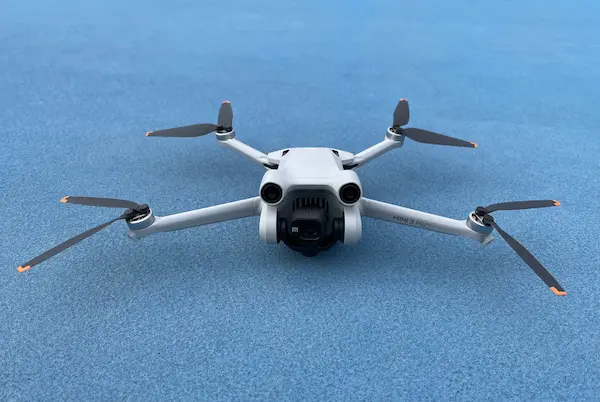
The DJI Mini 3 Pro is a powerful and portable mini drone that weighs under 250 grams, making it regulation-friendly. It features a 1/1.3-inch sensor and offers top-tier capabilities. The DJI Mini 3 Pro has an improved design and upgraded features, including obstacle sensing, to enhance flight safety and ease of use.
Features and Specifications of DJI Mini 3 Pro:
- Covers a distance of up to 12 km
- 1/1.3-inch CMOS sensor
- 4K HDR video and 48MP RAW photos
- Extended flight time of up to 34 minutes
- Tri-Directional Obstacle Sensing
Pros of DJI Mini 3 Pro:
- 4K60 with digital zoom
- Popular sub 250g category
- Excellent image quality
- Three-way obstacle sensors
- Upward-tilting camera
- Two remote control options
Cons of DJI Mini 3 Pro:
- GPS lock-on takes some time
- Expensive
- Omits AirSense ADS-B system
Best Known For: Vertical video shooting, social media powerhouse
DJI Mini 2
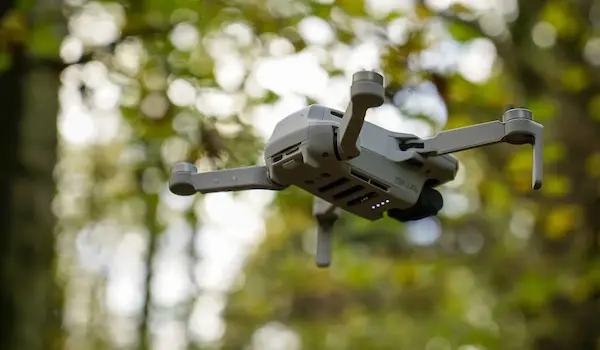
The DJI Mini 2 is a compact and easy-to-carry mini drone that fits in the palm of your hand. It is perfect for capturing photos and videos in various settings, from deserted beaches to family gatherings. Despite its small size, the DJI Mini 2 offers impressive flight capabilities and camera performance.
Features and Specifications of DJI Mini 2:
- 31-Min Max Flight Time
- 10km Video Transmission
- Level 5 Wind Resistance (29-38kph)
- 3-Axis Gimbal with 4K Camera (12MP)
Pros of DJI Mini 2:
- Small and lightweight
- Raw and JPG photo modes
- Long flight time
- Automated Quickshots
- GPS and other safety features
Cons of DJI Mini 2:
- Omits obstacle avoidance and HDR
- Not very stable in wind
- Doesn’t include ActiveTrack or Hyperlapse
- No color profiles for JPGs and video
Best Known For: Ultra Lightweight form factor paired with reliable transmission distance.
DJI Mavic 2 Pro
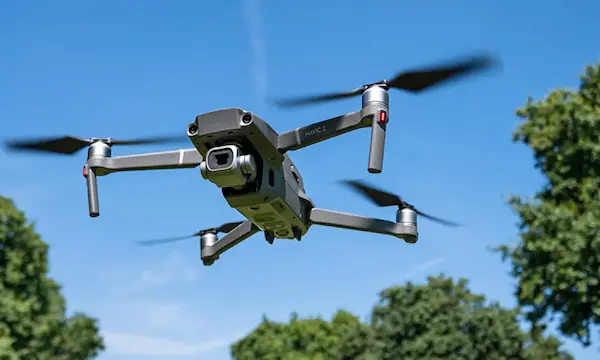
The DJI Mavic 2 Pro is a dream come true for aerial photographers. It features an industry-leading Hasselblad camera, adjustable aperture, and a 10-bit Dlog-M color profile. The DJI Mavic 2 Pro offers exceptional camera performance, expert options, and vibrant colors.
Features and Specifications of DJI Mavic 2 Pro:
- 1” CMOS Sensor
- 31 minutes max flight time
- 18 km max distance
- 29–38 kph wind speed resistance
- Omnidirectional Obstacle Sensing
- Dlog-M (10bit), supports HDR video (HLG 10bit) color mode
Pros of DJI Mavic 2 Pro:
- Great battery life
- 20MP Raw and JPG still imaging
- Obstacle avoidance sensors
- 4K video
Cons of DJI Mavic 2 Pro:
- No DCI format support
- Over-priced
- Less internal memory
Best Known For: An older model that offers the most features and bang for the buck. Ideal for shooting action sports and offers a lot of flexibility.
iFlight Bumblebee HD V3
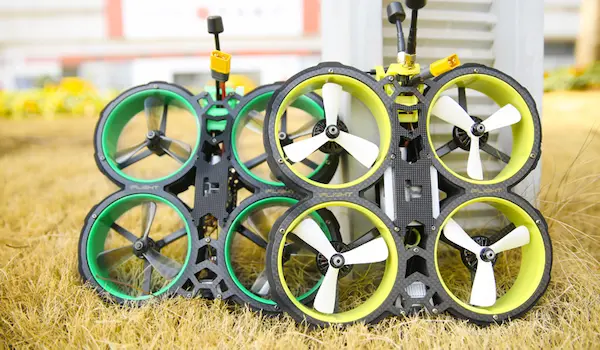
The iFlight BumbleBee HD V3 is a mini drone that comes with the CaddX Polar Digital HD System, allowing you to fly like no other. It features a CineWhoop design without the high-pitched noise that can annoy people. The lightweight Polycarbonate ducts of the iFlight BumbleBee HD V3 ensure minimal disturbance to channel thrust and performance.
Features and Specifications of iFlight BumbleBee HD V3:
- Bumper prop guards to protect the sensitive environment
- T700 Quality Carbon
- Upgraded EVA protectors
- Low Resonance frame construction
- 355.6g weight (without battery)
Pros of iFlight BumbleBee HD V3:
- Great for beginners
- Not easy to break
- Upgraded EVA protectors
- No props or frame in view
Cons of iFlight BumbleBee HD V3:
- Expensive
- Heavy
- Creates too much noise
Best Known For: Great starting Cinewhoop with battery flexibility and control flexibility. Can be used with DJI goggles or a different command/control FC.
Parrot Anafi Ai
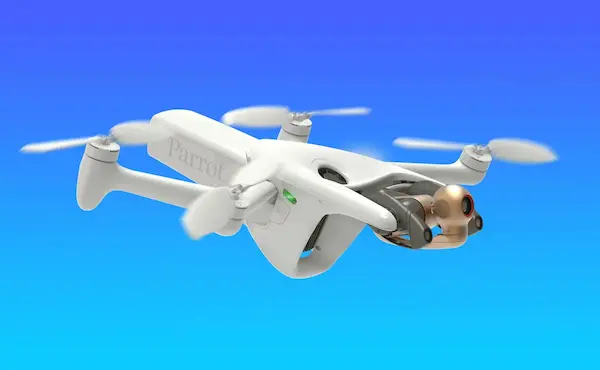
The Parrot Anafi Ai incorporates a 4G radio module in addition to the Wi-Fi radio, allowing it to transmit a video stream in 1080p with a 300 ms latency anywhere in the world. Its sensor supports high megapixel counts for finely detailed aerial images. The Parrot Anafi Ai utilizes a Quad Bayer color filter array, resulting in images with a greater dynamic range in real-time HDR capture mode.
Features and Specifications of Parrot Anafi Ai:
- 1/2’’ 48 MP CMOS Sensor
- Seamless 4G/WiFi switching
- 4K HDR 30 fps video, 6x zoom
- 32 minutes maximum flight time
- 14 m/s – 31.3 mph maximum wind resistance
- MicroSD and SIM card slots
- Autonomous Photogrammetry for large-scale mapping
Pros of Parrot Anafi Ai:
- High wind resistance
- Unique lens and camera features
- Adequate battery life
- Small and lightweight
Cons of Parrot Anafi Ai:
- Difficult to fly
- Limited video frame rates
- Autonomous features require an extra purchase
Best Known For: A great all-in-one drone that is Blue sUAS approved.
DJI Air 2S
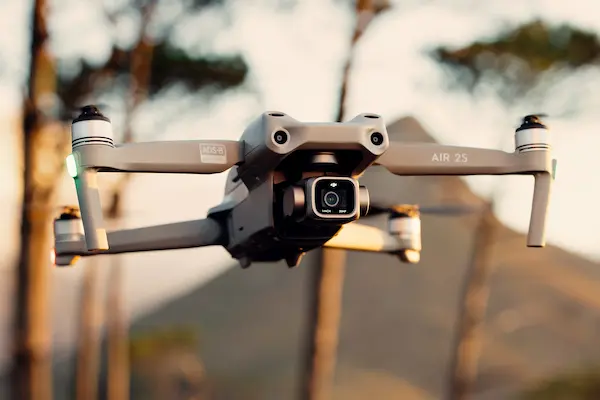
The DJI Air 2S is the ultimate mini drone for creatives on the go. It allows you to explore and record your world in breathtaking detail. With a 1-inch CMOS sensor, powerful autonomous features, and a compact body, the DJI Air 2S is perfect for capturing stunning photos and videos.
Features and Specifications of DJI Air 2S:
- 1-inch CMOS sensor
- 5.4K/30fps and 4K/60fps Video (20 MP camera)
- Master shots, ADS-B Air sense
- 12km FHD Transmission
- Obstacle Sensing in 4 Directions
Pros of DJI Air 2S:
- HDR, Log, and Standard video profiles
- Video at up to 5.4K quality
- AirSense transponder
- Robust safety features
- Automated camera shots
- Half-hour flight time
Cons of DJI Air 2S:
- Less internal storage
- Doesn’t offer in-camera filters
- HDR HLG workflow for pros only
- The remote doesn’t include an EV control wheel
- Raw images don’t transfer to smartphones and tablets automatically
- App-based editing limited to 1080p output
Best Known For: The best sensor for photos, although it doesn’t have an adjustable aperture.
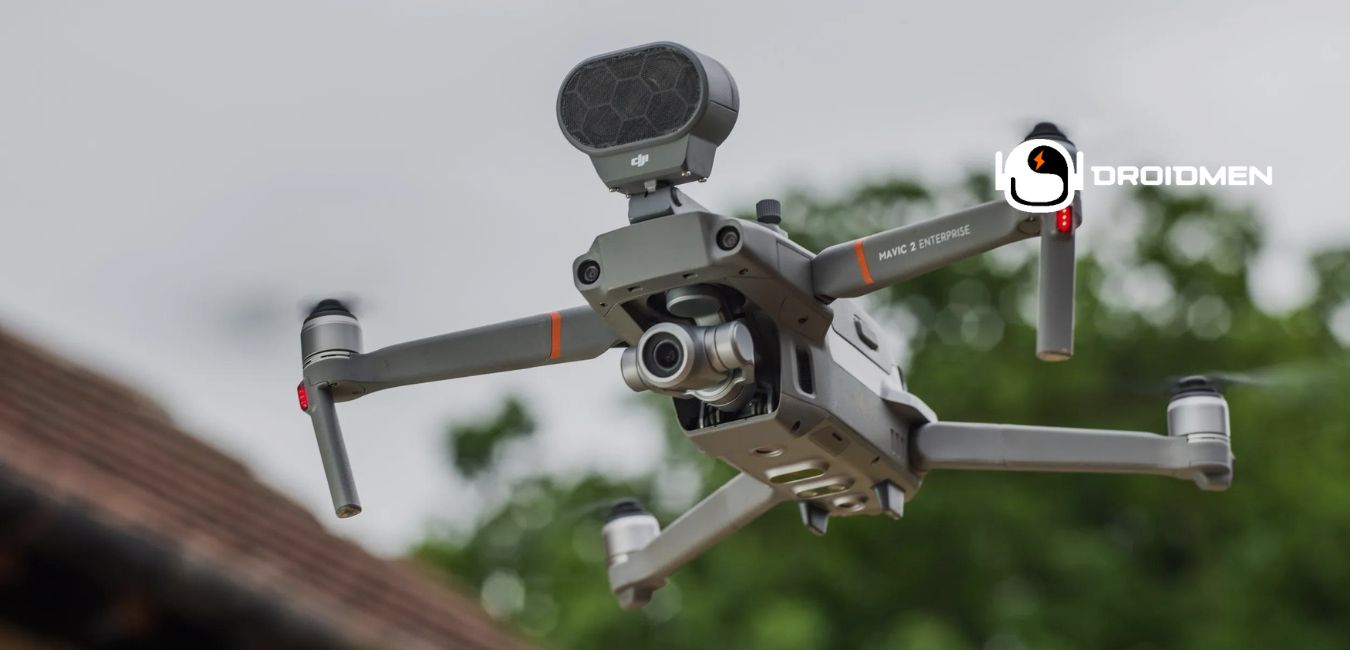
DJI Mavic 2 Enterprise Advanced
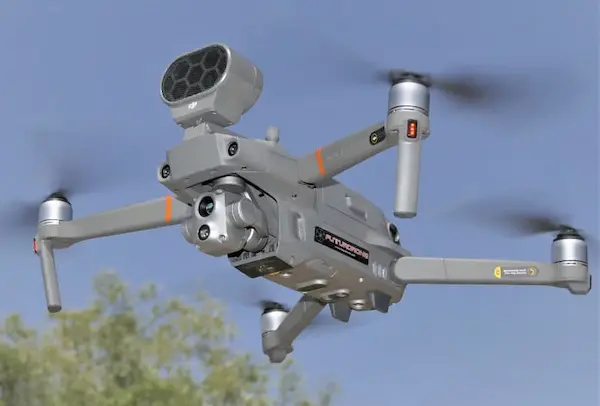
The DJI Mavic 2 Enterprise Advanced is a mini drone designed for professional aerial photography and videography missions. It offers a powerful camera system, precise positioning capabilities, and intelligent flight control systems. The DJI Mavic 2 Enterprise Advanced allows you to capture accurate details with its high-resolution thermal and visual cameras.
Features and Specifications of DJI Mavic 2 Enterprise Advanced:
- 1/2” CMOS Sensor
- 640 × 512 px Thermal Camera
- 48MP Camera
- Working Temperature from -10° C to 40° C
- Omnidirectional Obstacle Sensing
- 10 km HD Transmission
- Centimeter-level Positioning with RTK
Pros of DJI Mavic 2 Enterprise Advanced:
- Lightweight and portable
- Omnidirectional obstacle sensing
- Fully compatible and can integrate an RTK module
Cons of DJI Mavic 2 Enterprise Advanced:
- Not good for surveying
- Not waterproof
- Video transmission distance of only 10km
Best Known For: A commercial powerhouse in a small form factor.
Autel Evo II Pro
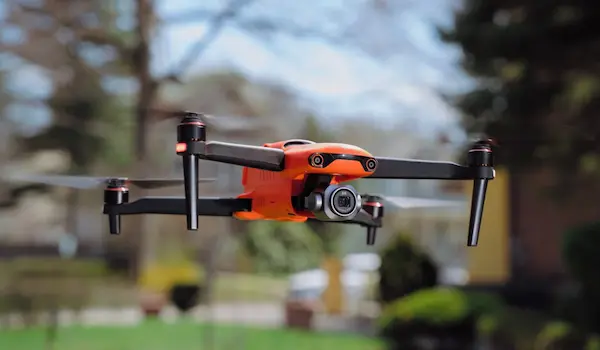
The Autel Evo II Pro is another popular mini drone with a camera. It features a modular camera system that offers three models with different features to meet the needs of both consumers and professionals. The Autel Evo II Pro offers exceptional image quality and a long flight time.
Features and Specifications of Autel Evo II Pro:
- 1-inch CMOS image sensor
- 20MP Camera, 6K/30FPS Video
- 15 km flight distance
- 5-Hour Battery Life
- 40 minutes Maximum Flight Time
- 27mph (12m/s) Maximum Wind Resistance
- 360° Obstacle Avoidance
- -10°C to 40°C Operating Temperature
Pros of Autel Evo II Pro:
- Adjustable aperture
- 20MP stills in Raw DNG or JPG
- Subject tracking and cinematic flight modes
- Up to 5.4K video and Raw Photos
- Automated camera moves and Hyperlapse
Cons of Autel Evo II Pro:
- The color video profile isn’t configurable
- Doesn’t support autonomous navigation around obstructions
- 8-bit flat video profile
- Log Color only available in Auto
Best Known For: Large sensor but has no geofencing.
Skydio 2+
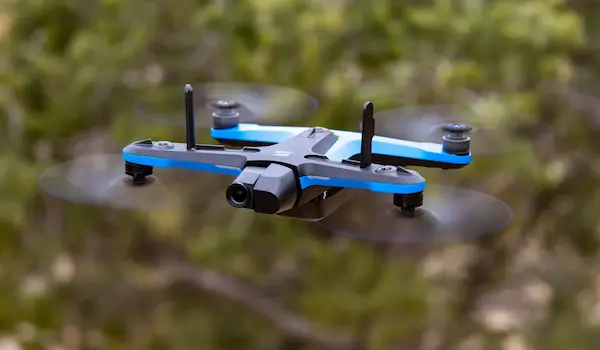
The Skydio 2+ is designed to be your personal movie maker. It offers unmatched autonomous tracking, obstacle detection, and high-quality 4K60 HDR video. With the Skydio App, you can launch, fly, land, edit, and export your footage seamlessly. The extended battery life of the Skydio 2+ allows for up to 27 minutes of flying time.
Features and Specifications of Skydio 2+:
- 1/2.3” 12.3MP CMOS Sensor
- 4K60 HDR
- 27 minutes Maximum Flight Time
- 25 mph Wind Speed Resistance
- -5°C to 40°C Operational Temperature Range
- 360° Obstacle Avoidance
- GPS Subject Tracking
Pros of Skydio 2+:
- Magnetic battery
- Great video quality
- Ideal for autonomous flying
- Great build quality
Cons of Skydio 2+:
- Sluggish controls
- Hard to get smooth pan shots
- Lens can have some fringing
Best Known For: Follow Me features for action sports.
DJI Avata
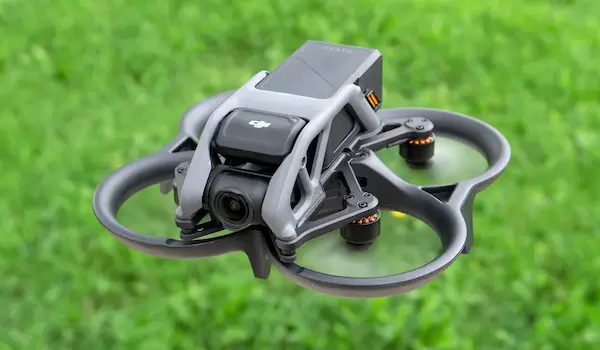
The DJI Avata is compact, nimble, and perfect for tight spaces. Its design allows it to be bold and agile. With a built-in propeller guard, the DJI Avata can bounce back and keep flying even if it collides with an object. This mini drone is suitable for various applications, including recreational flying and capturing stunning shots.
Features and Specifications of DJI Avata:
- HD Low-Latency Transmission
- Palm-Sized and Agile
- 1/1.7-inch Sensor
- 4K/60fps Video
- Flight time of up to 18 minutes
- D-Cinelike Color Mode
- 10 km Max Video Transmission Range
Pros of DJI Avata:
- The one-handed controller works well
- Good battery life for an FPV drone
- Fantastic video quality
- Sharp FPV goggles with diopter adjustment
- Wide-angle lens and 4K60 video convey the sense of motion
Cons of DJI Avata:
- Slow to react to shifts in white balance
- Less versatile than a standard camera drone
- Manual flight requires an additional controller
- Expensive
Best Known For: Consumer-grade entry-level Cinewhoop FPV.
Conclusion
Mini drones have revolutionized the way we capture aerial images and videos. With their compact size and advanced features, they offer an incredible flying experience. In this article, we have explored the top 10 mini drones to consider in 2023, highlighting their features, specifications, pros, and cons.
Before purchasing a mini drone, it’s essential to consider factors such as price, materials used, range, flying time, camera capabilities, and 3-axis gimbal. By understanding these aspects, you can make an informed decision and choose the mini drone that best suits your needs.
Whether you’re a beginner or a professional, there’s a mini drone on this list that will meet your requirements. So go ahead, explore the world from above, and capture stunning aerial footage with one of these top mini drones.