Hybrid drones are transforming how industries approach aerial operations by merging the endurance of fuel-powered engines with the precision and efficiency of electric systems. This blend delivers longer flight times, greater payload capacity, and versatility across applications—from agriculture to defense.
Hybrid drones integrate dual energy systems to overcome the limitations of traditional drones, offering superior flight duration, flexibility, and reliability. They are transforming industries from logistics and agriculture to defense and cinematography by delivering performance that pure electric models can’t match.
Whether you’re an engineer, business strategist, or tech enthusiast, the following insights will show how hybrid drones are shaping the future of flight—and why understanding them today gives you a competitive edge tomorrow.
Table of Contents
Key Takeaways
- Dual Power Advantage: Hybrid drones combine fuel engines and electric batteries, delivering extended flight time and superior operational efficiency.
- Versatile Applications: Ideal for agriculture, defense, logistics, and filmmaking, hybrid drones excel in endurance-demanding industrial missions.
- Future-Ready Innovation: These drones bridge performance and sustainability, setting new standards for long-range, high-capacity aerial operations.
What Is A Hybrid Drone?
A hybrid drone is an advanced unmanned aerial vehicle (UAV) that combines fuel-based engines and electric batteries to power flight. This dual-energy system enhances endurance, allowing drones to fly longer, carry heavier payloads, and operate efficiently in demanding environments.
Unlike traditional electric drones, which are limited by battery life, hybrid models balance power and performance seamlessly. They’re widely used in industries like agriculture, logistics, defense, and filmmaking, offering a perfect blend of efficiency, reliability, and long-range capability.
How Hybrid Drones Work
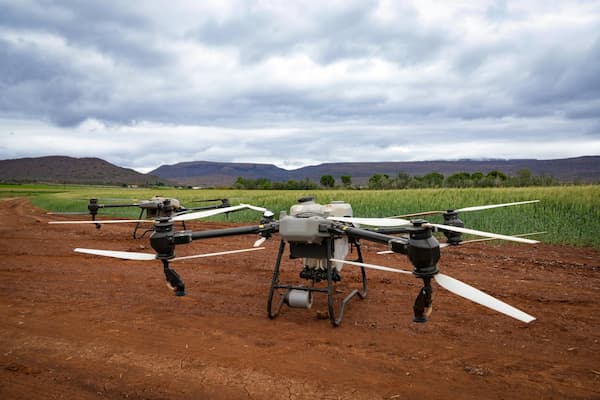
Hybrid drones operate using a dual-energy system that combines fuel engines with electric batteries. This setup enables efficient power generation, extended flight time, and adaptive energy use, ensuring optimal performance across various aerial missions and environments.
The Power Generation Process
In hybrid drones, the fuel engine drives a generator that produces electrical energy, which simultaneously charges the onboard battery and powers the motors during flight. This continuous energy cycle enables stable propulsion, efficient battery utilization, and consistent thrust output, allowing for longer missions and greater payload capacity without the frequent recharging interruptions common in fully electric drones.
Energy Switching And Flight Optimization
Intelligent power management systems in hybrid drones automatically switch between fuel and battery power, depending on the flight conditions. During takeoff and heavy loads, both sources operate together for maximum thrust.
During cruising, the system prioritizes generator power for efficiency while recharging the battery, optimizing endurance, reducing fuel consumption, and extending overall operational range.
Safety, Control, And Redundancy
Hybrid drones are equipped with advanced flight controllers and redundant power systems to ensure operational reliability. In the event of fuel engine or battery failure, backup systems maintain stability and power flow.
Autonomous control algorithms continuously balance propulsion output, monitor component health, and prevent critical failures—vital for safety in industrial or mission-sensitive operations.
Types Of Hybrid Drones
Hybrid drones are categorized by powertrain design, airframe configuration, and energy source. Each type offers unique strengths in performance, endurance, and adaptability, making them ideal for diverse commercial, industrial, and research applications.
By Powertrain Design
Hybrid drones feature various powertrain architectures, including series, parallel, and power-split systems. Series hybrids use the engine solely to generate electricity, while parallel hybrids use both engine and motor for propulsion.
Power-split systems combine these methods, offering greater efficiency, flexibility, and control for varying mission requirements and flight conditions.
By Airframe Configuration
Airframe designs for hybrid drones include multirotor, fixed-wing, and VTOL (Vertical Take-Off and Landing) configurations. Multirotors offer maneuverability for close-range operations, while fixed-wing models deliver longer endurance and speed.
VTOL drones, on the other hand, combine both capabilities, allowing for vertical takeoff and efficient horizontal flight—ideal for surveying, logistics, and large-area mapping missions.
By Energy Source
Hybrid drones can be powered by various energy sources such as gasoline, kerosene, biofuels, or hydrogen. Gasoline and kerosene hybrids offer high energy density and easy refueling.
At the same time, hydrogen and biofuel systems support cleaner, sustainable operations—allowing users to balance performance needs with environmental and regulatory considerations.
Key Advantages Of Hybrid Drone Technology
Hybrid drones combine endurance, power, and adaptability, offering significant improvements over traditional electric models. Their dual-energy systems enable extended missions, heavier payloads, and reliable performance, making them ideal for demanding industrial, commercial, and environmental applications.
Longer Flight Endurance And Greater Payload
Hybrid systems deliver flight durations three to five times longer than those of battery-powered drones by continuously generating power during operation.
This capability allows them to carry heavier cameras, sensors, or cargo—crucial for large-scale mapping, surveillance, and delivery missions—while maintaining flight stability and reducing the need for frequent landings or battery swaps.
Operational Versatility And Reliability
Hybrid drones perform efficiently in challenging conditions, including strong winds, low temperatures, and high altitudes, where battery efficiency drops. Their dual power sources provide backup energy for extended missions in remote or hazardous areas, ensuring consistent operation and mission completion even under unpredictable environmental or technical circumstances.
Improved Cost Efficiency Over Time
Although hybrid drones require a higher initial investment, they offer long-term savings through reduced downtime, lower fuel costs, and extended component lifespan. Continuous charging during flight minimizes battery replacements, while efficient fuel consumption and fewer maintenance cycles result in greater overall cost-effectiveness and operational sustainability for businesses.
Real-World Applications
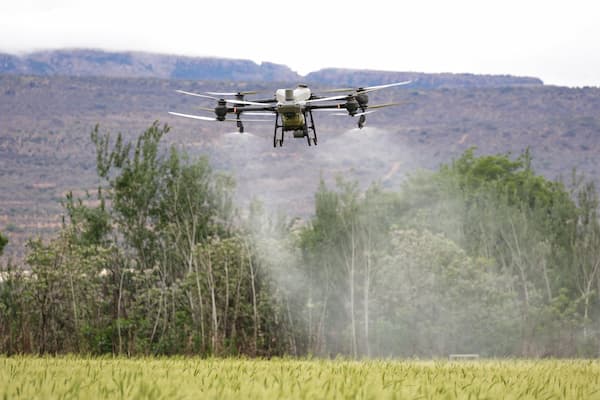
Hybrid drones are revolutionizing multiple industries by combining long flight endurance, power, and precision. Their ability to operate over vast distances with heavy payloads makes them invaluable in sectors that demand reliability, data accuracy, and continuous aerial coverage.
Agriculture And Environmental Monitoring
Hybrid drones play a key role in precision agriculture and environmental research. Their extended flight range allows for large-scale crop mapping, forest analysis, and ecosystem monitoring in a single mission.
With advanced sensors and thermal imaging, they provide detailed data for yield optimization, pest detection, and resource management in remote or expansive areas.
Logistics, Defense, And Emergency Response
In logistics and defense, hybrid drones excel at long-range deliveries, aerial surveillance, and search-and-rescue missions. Their endurance makes them ideal for transporting critical supplies, monitoring borders, or assessing disaster zones. The dual power system ensures consistent performance in mission-critical operations where stability and long operational windows are essential.
Media, Energy, And Infrastructure
For industries like cinematography, energy, and infrastructure, hybrid drones enable high-quality aerial filming and real-time inspections. They can monitor pipelines, power lines, wind turbines, and construction sites efficiently.
Extended flight capability reduces downtime, while stable performance ensures precise data collection and safer maintenance planning in large or hazardous environments.
Challenges And Future Outlook
While hybrid drones offer groundbreaking potential, their development and deployment face several challenges. Technical, environmental, and economic factors continue to shape their evolution, pushing manufacturers and researchers to innovate toward greater efficiency, affordability, and sustainability.
Technical And Economic Barriers
Hybrid drones often face challenges related to added weight from dual power systems and complex maintenance requirements involving both mechanical and electrical components.
Additionally, the initial investment cost can be higher compared to electric models. Overcoming these barriers requires advancements in lightweight materials, modular designs, and scalable production to make hybrid technology more accessible.
Sustainability And Emission Reduction
As industries move toward greener operations, hybrid drones are being redesigned with cleaner fuel options, lightweight composites, and optimized power management systems to minimize emissions.
Innovations in biofuels, hydrogen cells, and hybrid-electric configurations are helping manufacturers balance high performance with environmental responsibility, paving the way for sustainable aerial operations.
The Next Frontier: AI And Autonomous Systems
The future of hybrid drones lies in AI-driven automation, predictive maintenance, and self-charging capabilities. Artificial intelligence enhances flight planning, obstacle avoidance, and energy optimization, while autonomous systems improve safety and reduce operator workload. Together, these technologies are setting the stage for the next generation of intelligent, long-endurance hybrid UAVs.
FAQs
1. Are Hybrid Drones Suitable For Commercial Delivery Operations?
Yes, hybrid drones are ideal for commercial deliveries because of their extended range and endurance. They can carry heavier payloads and operate longer than electric drones, enabling efficient logistics in remote or urban areas. Their dual power systems ensure reliability for consistent multi-stop delivery missions.
2. What Maintenance Does A Hybrid Drone Require Compared To Electric Models?
Hybrid drones require both engine-based and electrical maintenance. Besides standard propeller and battery checks, operators must service fuel engines, filters, and cooling systems. While maintenance is slightly more complex, proper care ensures longevity, reliability, and reduced downtime over extended operational lifespans.
3. Can Hybrid Drones Operate In Extreme Environments Or High Altitudes?
Yes. Hybrid drones excel in challenging conditions, such as high altitudes, cold climates, or long-endurance missions. Their combustion engine maintains power output where batteries lose efficiency, while electrical backup systems stabilize control — making them suitable for demanding industrial, military, and scientific operations.
Conclusion
Hybrid drones represent the next evolution in unmanned aerial technology, combining endurance, efficiency, and adaptability in one system. By integrating fuel and electric power, they overcome the limitations of traditional drones and open new possibilities across industries.
As innovation continues, hybrid drones will lead the way in long-range missions, sustainable operations, and intelligent automation—making them an essential tool for professionals seeking reliable, high-performance aerial solutions in an increasingly connected world.