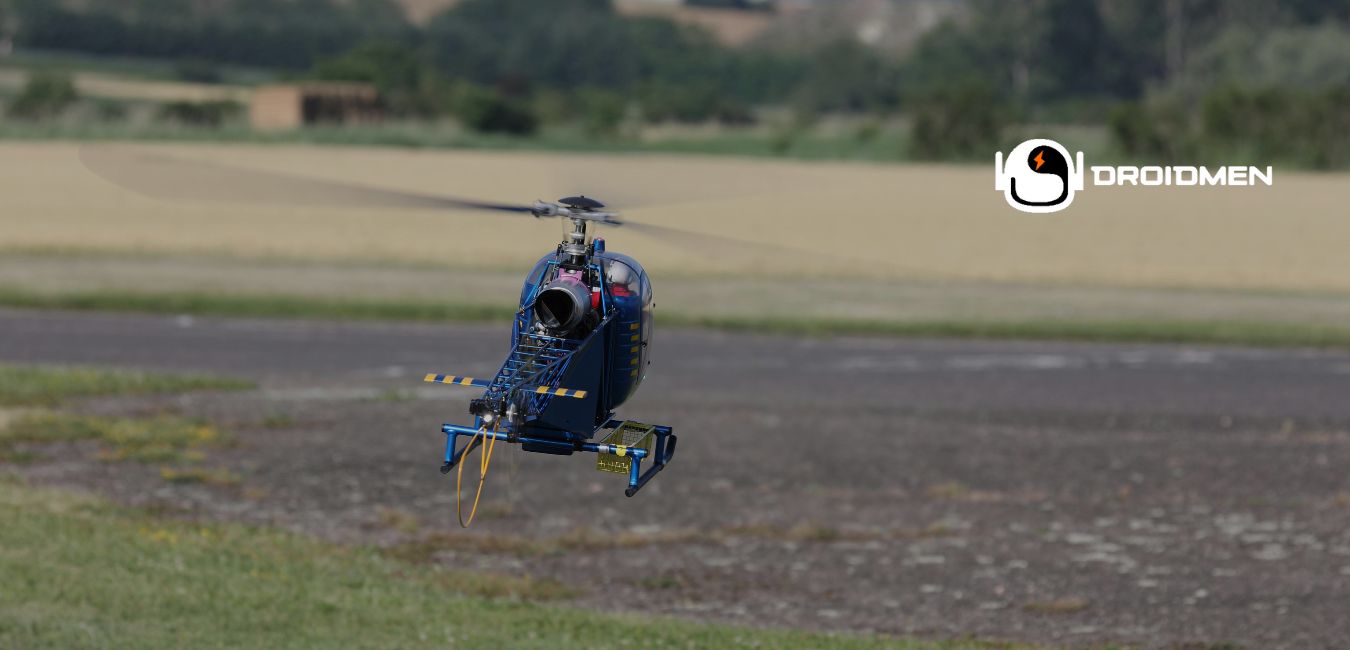
Drones have evolved into powerful tools for hobbyists, professionals, and industries alike. While most are familiar with quadcopters, a lesser-known but highly capable category is the single rotor drone. In this guide, we’ll break down what single rotor drones are, how they differ from multi-rotors, their pros and cons, ideal use cases, and tips for operation.
Table of Contents
What Is A Single Rotor Drone?
A single rotor drone resembles a traditional helicopter. It features one large main rotor for lift and propulsion, and a smaller tail rotor to control yaw and maintain stability. This setup allows for efficient flight and higher payload capacity compared to typical multi-rotor drones.
How Does A Single Rotor Drone Work?
When powered on, the main rotor—driven by either an electric or combustion engine—spins rapidly to generate lift by displacing air downward. The tail rotor counters the torque effect caused by the main rotor, stabilizing the drone and enabling controlled turns (yaw). Directional control is achieved by adjusting rotor pitch and thrust.
Single Rotor Vs. Multi-Rotor Drones
| Feature | Single Rotor Drone | Multi-Rotor Drone |
|---|---|---|
| Number of Rotors | 1 Main + 1 Tail | 4 (Quad), 6 (Hex), or 8 (Octo) |
| Flight Efficiency | Higher | Moderate to Low |
| Payload Capacity | High | Lower (for same size/weight) |
| Maneuverability | High, more precise | Moderate, easier to hover |
| Learning Curve | Steeper | Beginner-friendly |
| Maintenance | Complex | Easier and less frequent |
Single rotor drones are ideal for applications requiring long flight durations, heavy lifting, or high-speed travel. However, they demand more skill to operate and maintain.
Advantages Of Single Rotor Drones
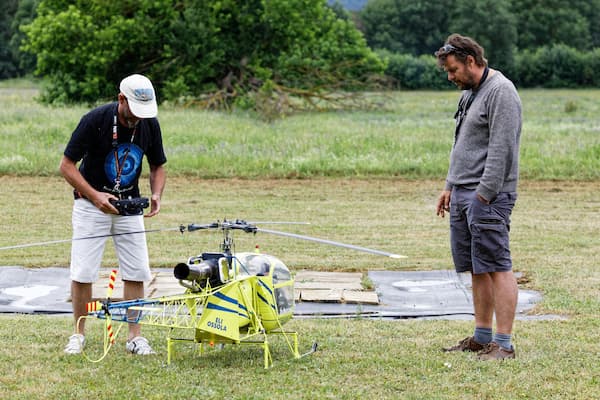
Extended Flight Time
Due to their efficient design, single rotor drones require less power to stay aloft, resulting in longer flight durations per charge.
Heavy Payload Support
They can carry heavier payloads, such as LiDAR scanners or high-end camera gear, without compromising stability.
High Speed And Precision
The helicopter-style layout allows for faster speeds and tighter maneuvering, useful for tasks requiring precision.
Disadvantages Of Single Rotor Drones
Complexity And Cost
Their mechanical systems are more complex than multi-rotors, which drives up cost and makes them harder to repair.
Safety Concerns
Large, fast-spinning rotors increase the risk of injury or property damage, especially during takeoff or landing.
Noise Levels
These drones are often louder due to their rotor size and engine type, limiting use in quiet or populated areas.
Use Cases For Single Rotor Drones
Aerial Surveying And Mapping
They can cover large areas quickly and carry advanced sensors for topographic data collection.
Agriculture
Used for crop monitoring, spraying, and soil analysis over large farms.
Search And Rescue
Their speed and endurance help in locating missing persons or delivering supplies in hard-to-reach places.
Infrastructure Inspection
Ideal for inspecting bridges, power lines, and pipelines where precision and extended flight times are needed.
Aerial Cinematography
With the ability to lift cinema-grade cameras, these drones are popular in film production.
Military And Defense
Employed in reconnaissance, surveillance, and light payload delivery due to their efficiency and endurance.
Tips For Flying A Single Rotor Drone
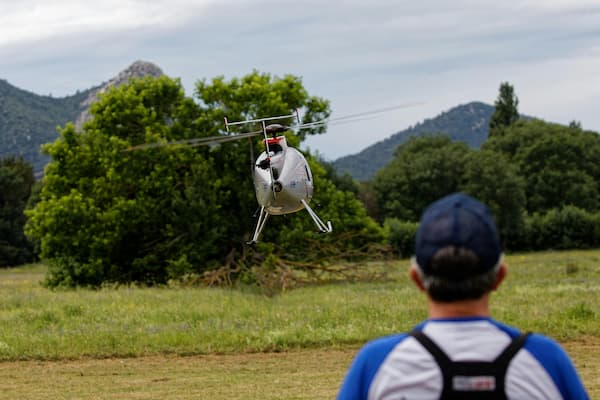
- Use a Simulator: Practice in a virtual environment before flying a real model.
- Pick a Wide-Open Space: Start in areas without obstacles.
- Maintain Your Drone: Check for wear and tear frequently.
- Watch the Weather: Windy conditions can destabilize even experienced pilots.
- Know the Rules: Follow all local regulations and airspace laws.
Maintenance Requirements
- Pre-Flight Checks: Inspect rotor blades, motor mounts, and landing gear.
- Battery Management: Use manufacturer-approved batteries and follow proper charging procedures.
- Motor & Rotor Upkeep: Keep parts clean and lubricated. Replace worn components promptly.
- Software & Calibration: Update firmware and calibrate gyroscopes and sensors regularly.
A well-maintained drone ensures safer flights, better performance, and longer lifespan.
Should You Buy A Single Rotor Drone?
If your goals involve heavy payloads, professional-grade footage, or industrial applications, and you’re comfortable with a steeper learning curve, a single rotor drone may be worth the investment. However, for beginners, hobbyists, or short-range use cases, a multi-rotor drone may be more practical.
Final Thoughts
Single rotor drones offer a blend of performance and versatility that make them indispensable in specialized tasks. While they demand more from the user in terms of skill and maintenance, the benefits in flight time, speed, and payload capability make them worth considering for professional and industrial use.