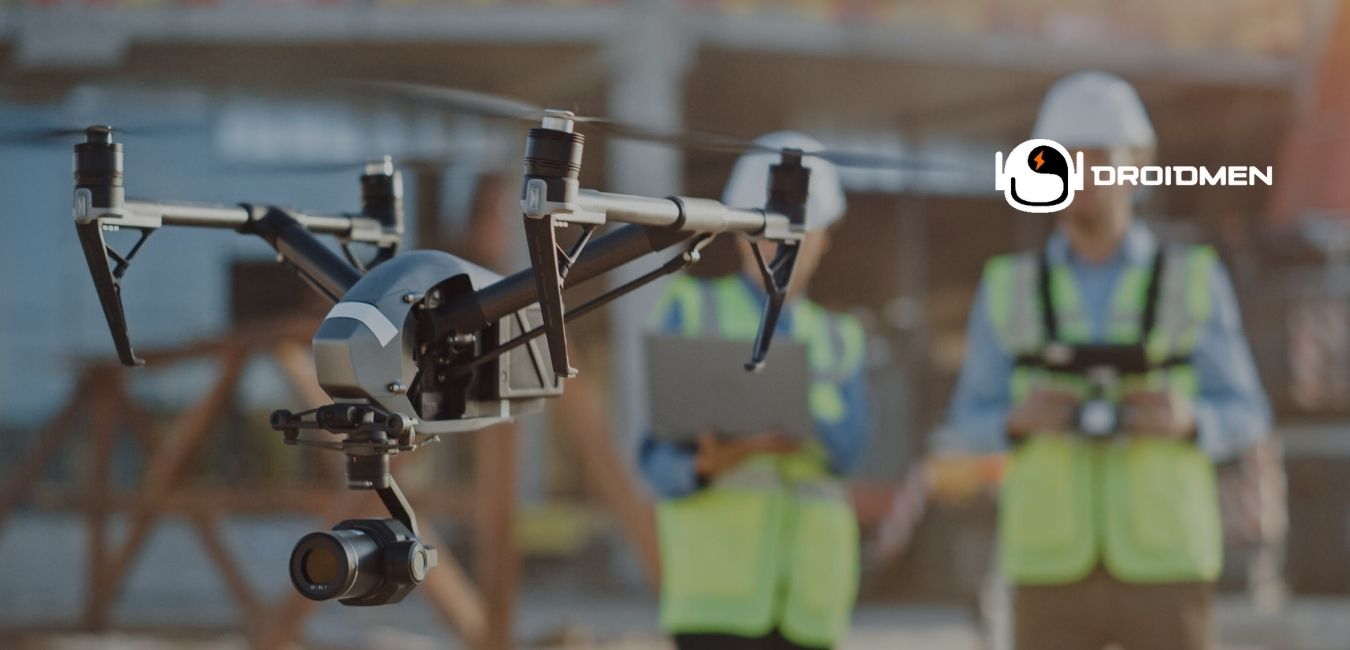
Drones are flying robots. People once thought of them as just toys or tools for making movies. But now, many industries use drones to do their work.
Drones can fly high or go to places hard for people to reach. They can take pictures, carry things, and do many other jobs.
This guide will dive deep into industrial drone applications. We’ll learn about these flying machines’ cool and helpful daily tasks. Get ready to explore the fantastic world of drones in the industry!
Table of Contents
What Are Industrial Drones?

Industrial drones, also known as unmanned aerial vehicles (UAVs), can fly without a human pilot.
They are typically equipped with high-resolution cameras and sensors, which allow them to collect data and images from difficult-to-reach or dangerous locations.
Industrial drones are special flying machines. They are used in businesses and big projects. These drones can fly with a remote control. People use them to do essential jobs.
For example, farmers use drones to look at their crops. The drones can see if the plants are healthy. This helps farmers take care of their fields.
Builders use drones, too. They can take pictures of tall buildings. This lets builders see if everything is okay.
Different Types Of Industrial Drones
Drones! They aren’t just for fun. Many businesses use them to get work done. Let’s talk about the different types of drones used in industries.
Survey Drones
Many companies use these drones to look at big areas of land. Think of a big farm or a forest.
You can see the whole place from the sky with a survey drone. This helps people know where things are and what’s going on.
Inspection Drones
These drones have cameras and tools to look at things up close. Let’s say there’s a tall tower or a big bridge.
It is tricky and dangerous to climb up and look at every part. But a drone can fly up and check everything quickly. It keeps people safe.
Delivery Drones
Some companies use drones to send things to people. Imagine you order a small item online.
Instead of bringing a truck to your house, a drone drops it off at your doorstep. It’s fast and cool!
Agriculture Drones
Farmers love these drones. They help see how crops are growing. Some can even spray water or keep pests away. With these drones, farmers can take good care of their fields.
Security Drones
Some places, like a big factory or a parking lot, need extra watching. Security drones can fly around and keep an eye on things. They help make sure everything is safe.
Construction Drones
Building big things, like houses or roads, takes a lot of planning. Construction drones can show how the work is going.
They can take pictures from the sky. This helps builders see if they’re doing everything right.
Common Applications Of Industrial Drones
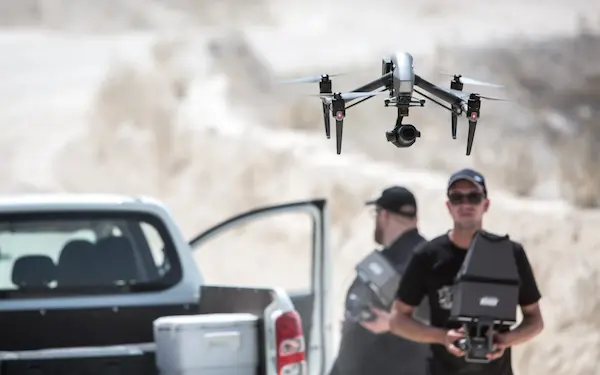
Drones aren’t just for fun; they play key roles in many businesses. Here’s a deeper look into how industries make the most of these flying machines.
Inspection And Maintenance
There are structures like bridges, towers, and wind turbines in industries like energy or telecommunications. Checking these structures for damage or wear meant sending people to climb them.
Not only was this dangerous, but it also took a lot of time. Now, drones equipped with cameras are sent to inspect these places.
They can easily reach high or tight spaces, capturing clear photos or videos. Workers then review these images to decide if repairs are needed. This way, companies save time and ensure that their workers remain safe.
Surveying And Mapping
Before drones, creating detailed maps or surveying land required manned aircraft, satellites, or ground-based methods. This was often costly and time-consuming. Drones have changed that.
They can fly close to the ground, capturing high-resolution images. These images are then used to create detailed maps or 3D models of the land.
Architects, city planners, and construction teams use these to plan projects or understand the lay of the land better.
Agriculture
Modern farming is more than just tilling the land and planting seeds. Today, farmers must efficiently monitor vast expanses of fields to ensure the optimal growth of their crops. One of the key advancements in this sector is using agricultural drone applications.
Drones equipped with unique cameras can capture images showing crops’ health. For instance, they can detect if some crops lack water or are attacked by pests.
Farmers can act quickly using this information, ensuring they get the best yield during harvest.
Security And Surveillance
Drones offer a new way to keep places like malls, stadiums, or significant events safe. Drones can patrol from above instead of relying solely on ground-based security teams.
They offer a bird’s-eye view, allowing them to spot any unusual activity. This is especially useful in large events or areas where it’s difficult for security personnel to cover ground quickly.
Delivery And Logistics
The dream of getting packages delivered right to our doorstep by a flying machine is becoming real.
Companies are testing drones to carry goods from warehouses to homes. This method is faster than traditional delivery in busy cities.
Drones can avoid traffic, reach high-rise apartments, and even access remote areas where regular vehicles find it hard to go.
The Future Of Industrial Drones
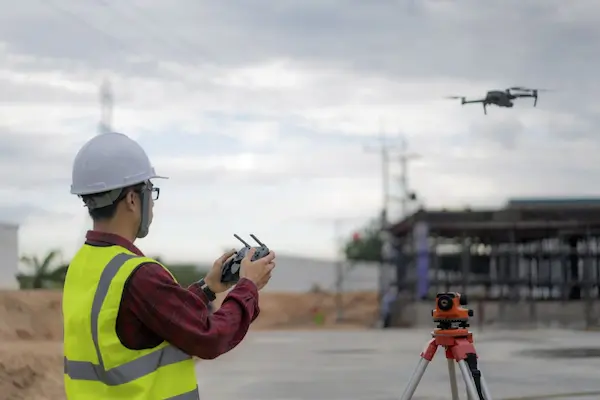
Industrial drones are rapidly changing how many industries operate. As technology improves, their roles will only expand.
Advanced Artificial Intelligence (AI) Integration
In the future, drones won’t just follow preset paths; they’ll make decisions. With AI, drones will recognize patterns, avoid obstacles, and even adapt to changing conditions without human intervention. This will make them more innovative and more autonomous.
Longer Flight Times
Battery technology is advancing. Drones of the future will fly longer and cover greater distances. This is crucial for long-distance deliveries or monitoring large pieces of land.
Heavier Payloads
Drones will be designed to carry heavier items. This will be a game-changer for industries like construction, where drones could transport materials to different parts of a site.
Enhanced Connectivity
With the rise of 5G and future network technologies, drones can send and receive data at lightning speeds.
This will allow for real-time analysis and faster decision-making, essential for emergency response or real-time surveillance.
Better Sensors And Cameras
The cameras and sensors on drones will become even more advanced. Expect drones that can see in pitch dark, detect temperature changes, or even sense chemicals in the air.
These features will be valuable for search and rescue or environmental monitoring tasks.
Integration With Other Technologies
Drones will work hand in hand with other tech tools. For instance, a drone could scan a construction site and feed data to 3D printers, creating the required components.
In agriculture, drones work alongside robotic harvesters, ensuring efficient crop collection.
Increased Regulation And Safety Measures
As drones become more common, stricter rules will ensure they’re used safely. We can expect more advanced “geofencing” systems that prevent drones from entering restricted areas and collision-avoidance technologies to avoid mishaps in mid-air.
Environmentally Friendly Designs
The push for greener technologies will influence drone design. Future drones will be powered by solar energy or have plans that reduce noise pollution, making them more environmentally friendly.
Specialized Drones For Specific Industries
Instead of general-purpose drones, we’ll see drones designed for specific tasks. There will be drones specially made for underwater inspections, high-altitude surveys, or space exploration!
Ethical Considerations For Using Industrial Drones
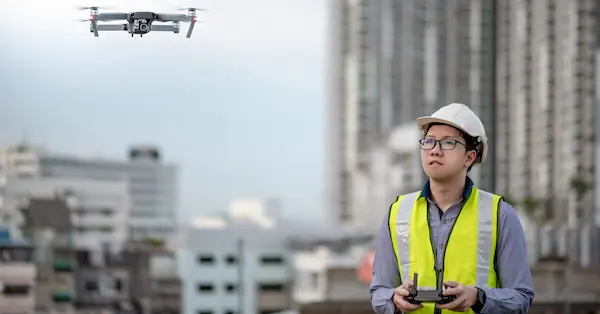
Industrial drones are changing the way we work. They take pictures, scan areas, and gather information from above.
But, like all tools, people need to use them correctly. Let’s talk about the right and wrong ways to use these drones.
Privacy Concerns
People have a right to privacy. Drones can easily take pictures or videos of people without them knowing.
Businesses must ensure they don’t invade someone’s privacy with a drone. Always get permission before flying over private land or near homes.
Safety Comes First
Drones are machines. Sometimes, appliances break or go wrong. It’s important to ensure drones don’t hurt people or damage things.
Pilots must always check their drones before flying. They should also avoid flying near people or in crowded places.
Respect For Nature
Nature is beautiful and essential. Drones can scare animals or disturb their homes. When flying drones, it’s key to respect all animals and plants. Stay away from nesting areas and wildlife habitats.
Noise Concerns
Drones can be noisy. This noise can bother people and animals. Businesses need to think about where and when they fly.
Avoiding early mornings or late nights is a good rule. It’s also wise to avoid quiet areas like schools or hospitals.
Honest Use Of Data
Drones collect data. This means pictures, videos, and more. It’s vital to use this data in a fair way.
Don’t change the data to mislead or lie to people. Be open and honest about what the drone saw and recorded.
Job Impact
Drones can do jobs that people used to do. This means some people will lose their jobs. It’s essential to think about how drones affect workers. Companies can offer training for new jobs or other solutions.
FAQs
1. What Is An Industrial Drone?
An industrial drone is a flying device designed for business tasks. Unlike regular drones, they help industries in special jobs like surveying, inspections, and mapping.
2. What Are Industrial Drones Used For?
Industrial drones are used for checking pipelines, surveying land, monitoring crops, and inspecting hard-to-reach places like bridges and towers.
Industrial Drone Applications: Final Words
Industrial drones are transforming the way we work and live. They are used in various industries, including construction, agriculture, energy, and transportation. Drones are helping businesses to improve safety, efficiency, and productivity.
As drone technology advances, we can expect to see even more innovative and groundbreaking applications of drones.
In case, you want to learn more about drone applications, check out the following blog: