Table of Contents
Major 3d printing trends
The field of 3D printing is constantly evolving, and 2023 promises to be an exciting year for the industry. As businesses face ongoing challenges like supply chain disruptions and rising costs, the importance of reducing expenses and increasing supply chain resilience has become paramount. In this article, we’ll explore the major trends that will shape the 3D printing industry in 2023 and beyond, including a wider range of use cases, the rise of the digital supply chain, quality assurance, sustainability, and the increasing use of metal 3D printing.
Wider Range of 3D Printing Use Cases
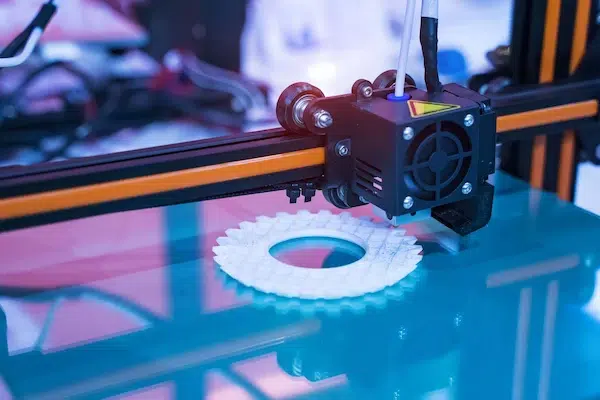 As technology matures, 3D printing is becoming increasingly versatile and applicable across various industries. In 2023, we can expect to see more innovative materials emerge, enabling the technology to be used in sectors such as healthcare, manufacturing, agriculture, and transportation. Companies are shifting their additive manufacturing processes from prototyping to volume production, either as a replacement for traditional manufacturing or as a means of bridging the gap between supply and demand.
During supply chain disruptions, 3D printing can provide rapid availability of much-needed parts, and it is also ideal for production ramp-up and creating spare parts for older products. To scale their businesses and meet application needs, companies will rely on service bureaus and 3D printing platforms that allow for easy shifts between materials and technologies while minimizing risk and cost.
The Rise of the Digital Supply Chain
The increasing use of 3D printing is driving the need for streamlined processes that enhance efficiency and reduce costs. In 2023, we can expect to see a trend towards more automated and integrated additive manufacturing workflows. These workflows will connect all players in the 3D printing market, including software providers, print farms, customers, post-processing specialists, and material experts, thereby combining production and supply chain operations. Digital warehousing platforms will enable companies to manage their parts more efficiently throughout their lifecycle, eliminating the need for excessive warehousing and allowing for on-demand production.
Integrated or connected ordering systems will enable companies to directly order parts, which can be produced decentrally. The implementation of digital supply chains that leverage additive manufacturing technologies will lead to greater transparency, sustainability, flexibility, and efficiency.
Quality Assurance as the Foundation of Industrial 3D Printing
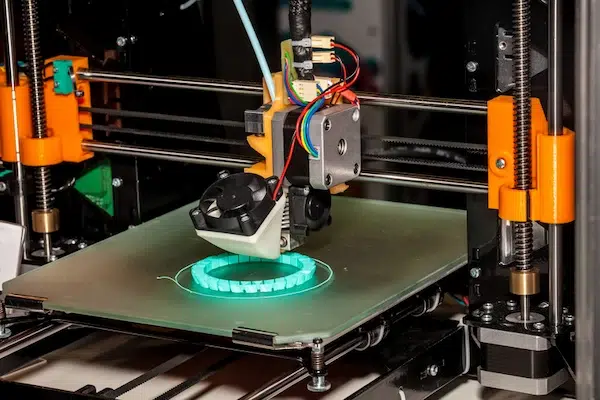
As additive manufacturing becomes more prevalent in industrial settings, ensuring secure processes, certified materials, and adequate technologies becomes essential. Process repeatability and meeting quality requirements for each part are critical. To address these challenges, Replique has introduced the quality assurance module RSure on its end-to-end 3D printing platform. This tool allows Original Equipment Manufacturers (OEMs) to digitally define quality requirements and an inspection process that 3D printing service providers must perform before shipping the part.
The production information of each part is stored centrally on the platform as part of a “digital twin,” enabling seamless part documentation and the use of decentralized 3D printing platforms on an industrial scale. Additionally, the use of artificial intelligence (AI) in controlling digital manufacturing processes is emerging as a trend to improve the stability of additive manufacturing processes. AI can monitor, collect, and analyze machine data in real-time, helping to identify and fix errors, and ensuring reliability and repeatability.
Sustainability in Additive Manufacturing
The trend towards greater sustainability will continue to shape the 3D printing industry in 2023. Additive manufacturing offers significant potential to reduce the CO2 footprint of parts in several ways. Firstly, it enables the production of parts on demand, eliminating overproduction. Additionally, 3D printing reduces the need to scrap products due to the unavailability of spare parts, as parts can be printed as required. This technology also reduces transportation efforts, as parts can be produced locally.
Furthermore, 3D printing allows for the redesign of parts to be lighter and stronger, resulting in more efficient use of materials. As the industry evolves, there is also a growing trend towards the development of sustainable materials, such as recyclable and bio-derived materials. Service providers will increasingly focus on making these sustainability benefits more measurable through software. The demand for product sustainability is also increasing among end customers, as evidenced by movements like the “Right to Repair,” which advocates for repairable products and the availability of spare parts throughout a product’s lifecycle.
Metal 3D Printing as a Rising Trend
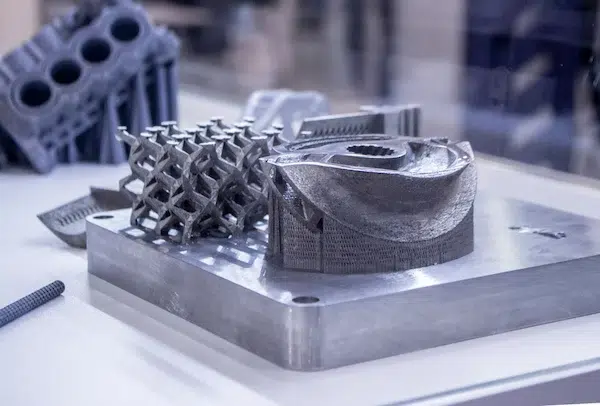
In 2023, we can expect to see an increasing use of metal 3D printing, revolutionizing the production of complex metal parts. Metal 3D printing offers reduced waste and lower costs compared to traditional manufacturing methods. Metal polymers, in particular, have gained traction in the market and will continue to grow. Metal filaments, which combine metal and polymer particles, provide an alternative to traditional metal additive manufacturing technologies like Selective Laser Melting (SLM). While metal filaments currently have design limitations and are best suited for smaller and less complex parts, they offer a cost-effective and fast solution for many applications.
Replique has already leveraged this technology in collaboration with Alstom, a global leader in green and smart mobility. The collaboration resulted in the qualification and production of a visible metal part for additive series manufacturing. The parts, made of Ultrafuse 316L stainless steel using metal Fused Deposition Modeling (FDM) technology, were produced within just six weeks.
Conclusion: The Future of 3D Printing
Despite the uncertainties of the times, 3D printing continues to revolutionize the global production market by increasing sustainability, resilience, and cost-effectiveness. To reach its full industrial potential, standardized processes, and assured quality are crucial.
A strong trend towards digital processes that connect and streamline all aspects of 3D printing, from part selection and storage to ordering and tracking, is emerging. By embracing these trends, businesses can harness the power of 3D printing in the easiest and most cost-efficient way, enabling them to stay ahead in a rapidly evolving market.
If you’re ready to explore the possibilities of 3D printing in your business, don’t hesitate to contact us. Our end-to-end digital inventory platform can help you leverage the major 3D printing trends of 2023 and optimize your production processes for success.