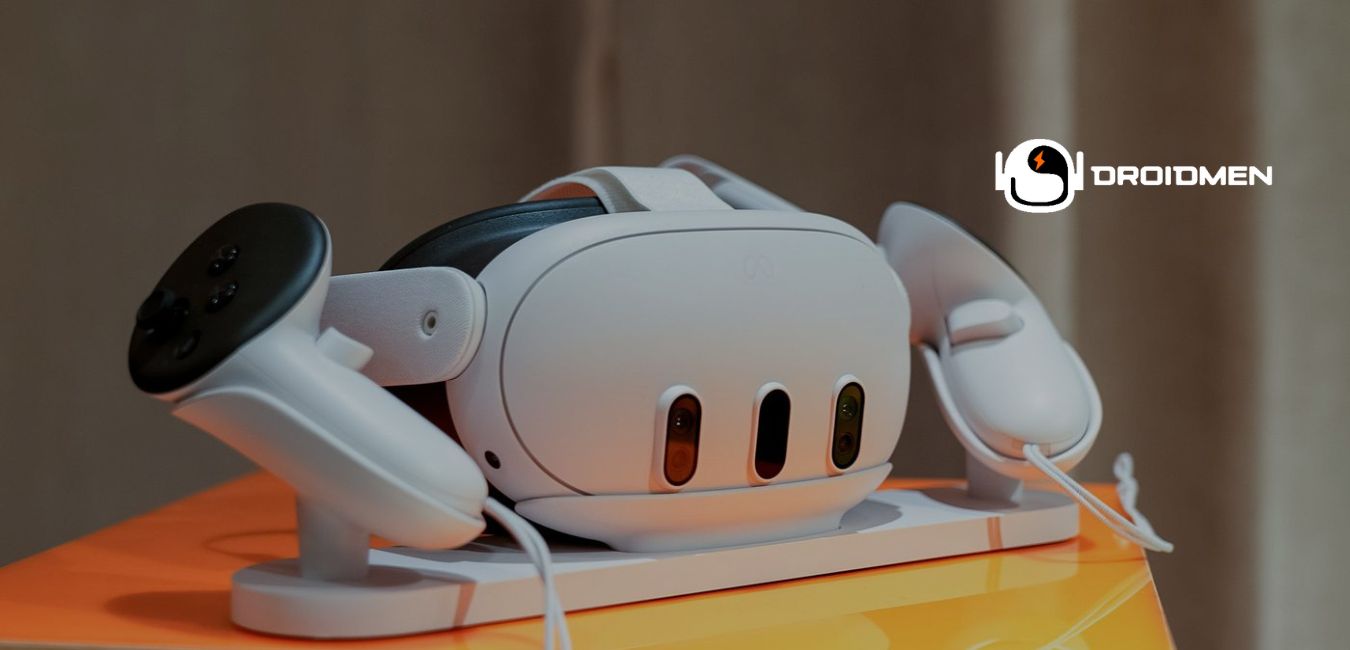
Experience the next level of virtual reality with the Meta Quest 3, the latest addition to Meta’s popular Quest line. Building upon the success of its predecessors, the Quest 3 brings significant improvements in resolution, form factor, and comfort. In this comprehensive review, we will delve deep into the features and capabilities of the Meta Quest 3, exploring its design, performance, and mixed-reality capabilities. Join us as we uncover why the Meta Quest 3 is the ultimate VR headset for both casual users and VR enthusiasts.
Table of Contents
Introduction
Evolution of the Meta Quest Line
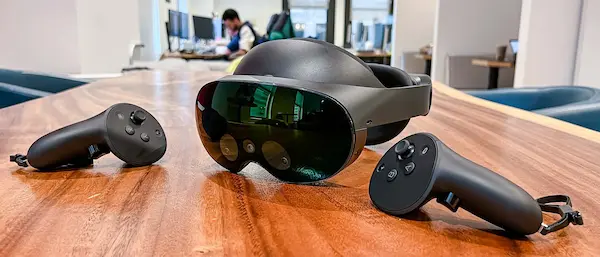
The Meta Quest line has witnessed a remarkable evolution since its inception. Each iteration has brought new advancements, pushing the boundaries of virtual reality technology. From the original Quest to the Quest 2, Meta has consistently aimed to deliver immersive experiences to a wider audience. Now, with the introduction of the Quest 3, Meta has raised the bar even higher, offering a headset that combines comfort, performance, and affordability.
Meta Quest 3: A Game-Changer in VR Technology
The Quest 3 is the fourth headset in Meta’s Quest line, although Meta would prefer to forget about the ill-fated Quest Pro. Unlike its predecessor, the Quest 2, the Quest 3 focuses on meaningful improvements without unnecessary indulgences. It offers a mass-market price starting at $500, making it accessible to a broader range of users. With its incremental improvements, the Quest 3 proves to be a significant step towards the long-awaited virtual reality revolution.
Design and Comfort
Redefining Comfort: A Surprising Upgrade
At first glance, the Quest 3 may appear similar to the Quest 2 in terms of design. However, upon closer inspection, it becomes evident that Meta has prioritized comfort in the Quest 3. The use of lenses with pancake optics allows for a thinner display housing, resulting in a more balanced weight distribution. As a result, the Quest 3 sits securely on the user’s face, alleviating pressure on the eyes and sinuses.
Pancake Optics: A Weight Distribution Breakthrough
The Quest 3’s pancake optics play a crucial role in enhancing comfort. By redistributing the weight closer to the face, the Quest 3 reduces the strain on the head and neck. Unlike the Quest 2, which often required a tight head strap to prevent slipping, the Quest 3 rests comfortably without causing discomfort during extended sessions. This breakthrough in weight distribution sets a new standard for VR headset design.
Enhanced Head Strap: A Secure and Supportive Fit
To complement the improved weight distribution, the Quest 3 features a redesigned head strap that offers firm support. The elasticity of the strap allows it to stretch around the user’s skull, ensuring a secure fit without sacrificing comfort. The new fit adjustment system, located at the back of the strap, enables easy tightening and loosening, catering to individual preferences. With these enhancements, the Quest 3 provides a secure and supportive fit, even during active VR experiences.
The Quest 3 vs Quest 2: A Comfort Comparison
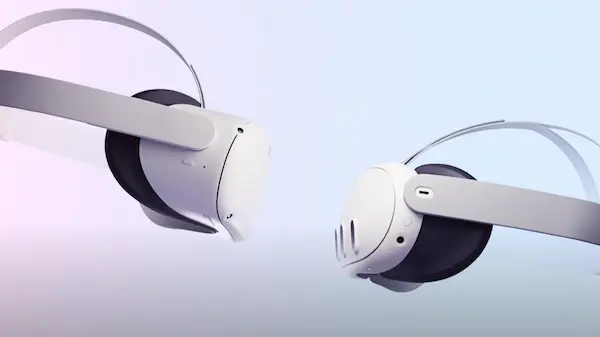
While the Quest 2 was a notable improvement over its predecessor, the Quest 3 surpasses it in terms of comfort. The thinner display housing and improved weight distribution make the Quest 3 the most comfortable headset in the Quest line. Users can enjoy extended VR sessions without experiencing significant discomfort or eyestrain, particularly during seated activities. Meta’s commitment to comfort sets the Quest 3 apart from its predecessors.
VR Workouts: Addressing Design Limitations
Despite its overall comfort, the Quest 3 presents some challenges during VR workouts. The lens housing tends to trap heat and moisture, resulting in a sweaty front face after moderate physical activity. In comparison, the Quest Pro’s open-bottomed, forehead-mounted design allows for better airflow, keeping the face cool. While the Quest 3’s design may be less ideal for intense workouts, it excels in providing comfort for less active VR scenarios.
Display and Resolution
Crystal Clear Visuals: A Leap in Resolution
One of the standout features of the Quest 3 is its enhanced display resolution. Meta has made significant strides in improving the visual clarity and realism of VR experiences. The Quest 3 boasts a higher pixel density, resulting in sharper images and more vibrant colors. Whether exploring virtual worlds or engaging in immersive gameplay, users will appreciate the enhanced visual fidelity offered by the Quest 3.
Pancake Optics in Action: Thinner Display Housing
The Quest 3’s pancake optics not only contribute to its comfort but also play a vital role in improving display quality. By reducing the thickness of the display housing, Meta has achieved a more compact and sleek design. This reduction in bulk allows users to enjoy a wider field of view, further enhancing immersion. The Quest 3’s pancake optics are a testament to Meta’s commitment to pushing the boundaries of VR technology.
Immersive Visual Experience: Enhancing VR Realism
With its improved resolution and pancake optics, the Quest 3 delivers an immersive visual experience like never before. Virtual worlds come to life with stunning detail, enabling users to lose themselves in captivating environments. The Quest 3’s visuals are complemented by its smooth frame rates, ensuring seamless gameplay and minimizing motion sickness. Whether exploring ancient ruins or engaging in a high-octane battle, the Quest 3’s visuals will leave users in awe.
The Quest 3 vs Quest Pro: A Resolution Comparison
Compared to its ill-fated sibling, the Quest Pro, the Quest 3 offers a comparable resolution at a fraction of the price. While the Quest Pro boasted eye-tracking cameras and other premium features, these additions contributed to a hefty price tag. The Quest 3, on the other hand, focuses on delivering an exceptional resolution without unnecessary bells and whistles. For users seeking a high-quality VR experience without breaking the bank, the Quest 3 proves to be a compelling choice.