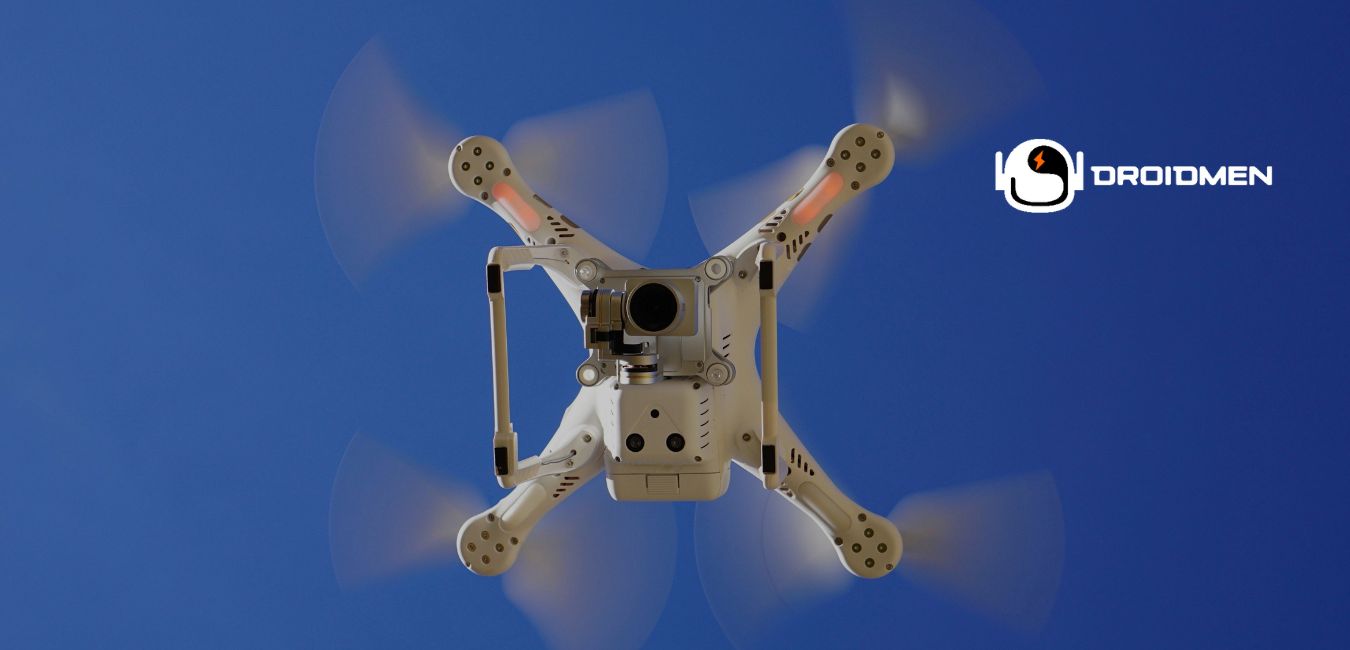
Programmable drones are transforming how we interact with technology, blending hardware, sensors, and real-time decision-making systems. Whether you’re a curious beginner, an educator, or a professional, these drones offer endless opportunities to explore automation and real-world applications. This guide breaks down the essentials—what programmable drones are, how they work, their benefits, and the best models to consider.
Table of Contents
What Are Programmable Drones?
Programmable drones are unmanned aerial vehicles (UAVs) that can be configured to perform specific tasks based on user input. Instead of relying solely on manual controls, these drones are capable of autonomous behavior such as following designated flight paths, reacting to environmental stimuli, or executing data collection routines.
They are widely used in fields like:
- Education and STEM learning
- Aerial photography and filmmaking
- Agriculture and surveying
- Search and rescue
- Environmental monitoring
Why Programmable Drones Matter
These drones go beyond entertainment. Programmable drones offer advanced functionalities that allow:
- Automation of complex or repetitive tasks
- Consistent execution of mission profiles
- Real-time environmental interaction through sensor fusion
- Enhanced productivity across various industries
Key Features To Look For
Customizable Software
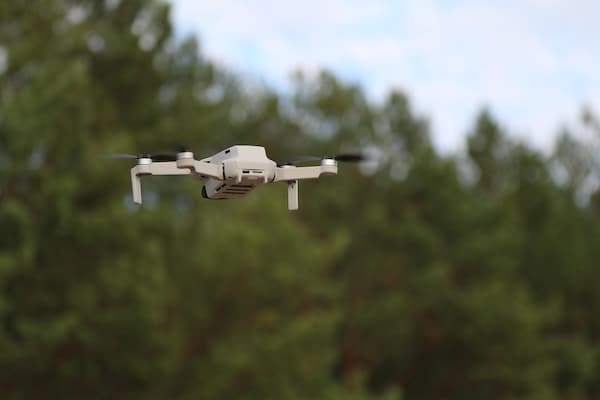
High-end drones often support software that can be modified to adapt their performance. This includes changing flight parameters, creating custom mission profiles, and integrating new hardware. Such flexibility enables users to tailor drones to a wide range of applications.
Sensor Integration
From GPS modules to ultrasonic sensors and high-definition cameras, programmable drones rely on diverse sensors to interact with their surroundings. These allow for obstacle detection, precision navigation, altitude maintenance, and more. Advanced drones combine sensor inputs to optimize flight safety and data accuracy.
Autonomous Flight Modes
These modes enable drones to fly specific routes, follow objects, or return to home points without human intervention. Autonomous functionality is particularly beneficial for repetitive tasks like mapping, inspections, or surveillance in challenging environments.
Real-Time Data Processing
Drones equipped with onboard processors can analyze environmental data in real time. This capability is critical for applications like object tracking, adapting to terrain changes, or making navigation decisions without needing ground-based input.
Open-Source Ecosystems
Platforms like PX4 and ArduPilot allow developers and hobbyists to modify firmware, share enhancements, and access a large community of contributors. Open-source environments are valuable for customizing features and experimenting with new drone behaviors.
Use Cases In The Real World
Aerial Photography
Programmable drones enable photographers and filmmakers to capture complex aerial shots through automated flight paths. Pre-set waypoints ensure stability, consistency, and unique perspectives that are difficult to achieve manually.
Agriculture
In modern farming, drones are used to monitor crop health, map large areas, and even apply fertilizers or pesticides. Their ability to collect and analyze visual and multispectral data improves yield management and operational efficiency.
Search And Rescue
Emergency teams use programmable drones to scan large areas quickly and efficiently. With capabilities like thermal imaging, real-time video, and autonomous flight, these drones can locate missing persons and assess dangerous terrains with minimal human risk.
Environmental Monitoring
Drones equipped with air quality sensors, cameras, and GPS units are used to monitor wildlife, water bodies, and pollution levels. Automating these tasks ensures consistent data collection and allows researchers to cover wider geographic areas with fewer resources.
Delivery Services
In logistics, programmable drones are increasingly employed for delivering small packages. They can be pre-programmed to navigate through urban or remote environments, minimizing delivery times and avoiding traditional infrastructure issues.
Best Programmable Drones For Beginners & Experts
| Drone Model | Best For | Features | Notes |
|---|---|---|---|
| Tello EDU | Education | Lightweight, easy controls | Affordable, great for students |
| DJI Phantom 4 Pro | Photography/Research | 4K camera, obstacle sensors | Professional-grade camera & GPS |
| Parrot Anafi | Portability & Imaging | Foldable design, 4K HDR video | Lightweight with gimbal camera |
| CoDrone Mini | Kids & New Users | Safe, durable, basic functions | Beginner-friendly with lessons |
| Raspberry Pi Drone | DIY Enthusiasts | Fully customizable hardware | Build-your-own, advanced control |
Tips Before Buying
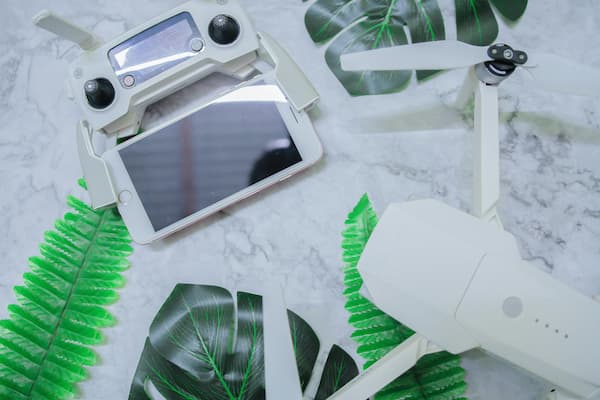
- Define Your Goal: Understand what you need your drone to do—whether it’s photography, data gathering, or environmental monitoring.
- Compare Features: Evaluate aspects like flight time, sensor suite, build quality, and range.
- Check Reviews: Focus on feedback related to ease of use, durability, and reliability.
- Set a Budget: There’s a wide range of pricing; balance functionality with affordability.
- Support & Community: Look for drones with strong customer support and an active user base.
Legal & Safety Must-Knows
- FAA Registration: Most drones above a certain weight must be registered with the FAA in the U.S.
- Fly Below 400ft: To prevent interference with manned aircraft.
- Avoid Airports & Crowds: Follow local no-fly zone regulations.
- Respect Privacy: Avoid capturing images or video over private property without permission.
- Consider Insurance: Useful for commercial operators and high-value drones.
Future Trends
- AI Integration: Drones will become more autonomous with machine learning and object detection.
- Swarm Tech: Coordinated drone operations could revolutionize industries like agriculture and logistics.
- Advanced Sensors: More sophisticated inputs like chemical detection and sound mapping will expand drone applications.
- Improved Battery Life: New materials and designs aim to extend flight time significantly.
- Wider Market Adoption: As costs decrease and functionality increases, drones will find new roles across diverse sectors.
Frequently Asked Questions About Programmable Drones
1. What Makes A Drone Programmable?
A programmable drone can be configured with customized settings or software to carry out specific autonomous tasks. This may involve setting waypoints, integrating with sensors, or automating routines.
2. Are Programmable Drones Suitable For Beginners?
Yes, many models like the Tello EDU and CoDrone Mini are designed for newcomers. They offer simple controls and introductory features to help users learn the basics without feeling overwhelmed.
3. Do I Need A License To Fly A Programmable Drone?
In most countries, drones above a certain weight must be registered and may require certification for commercial use. Always check your local regulations.
4. Can Programmable Drones Be Used Indoors?
Yes, smaller models with obstacle detection and indoor flight modes are suitable for indoor use. However, safety precautions should always be followed to avoid accidents.
Final Thoughts
Programmable drones are more than just flying gadgets. They represent a convergence of automation, data collection, and aerial mobility. As industries embrace smarter, faster, and safer solutions, programmable drones are set to lead the way.
Whether you’re aiming to explore drone tech casually or looking to integrate them into professional workflows, the key lies in understanding their capabilities and choosing the right model for your needs.
Stay informed. Fly responsibly. And take advantage of the skies ahead.