In the world of RC drones, where maintaining control is crucial, quad diversity comes to the rescue. But what is quad diversity in RC drones?
Quad diversity in RC drones enhances video signal reception through four antennas, each positioned to optimize coverage. This setup significantly improves video link reliability, reduces signal dropouts, and extends range, especially in challenging environments with obstacles or interference.
This improves connection and reduces the risk of losing control, keeping your drone in action and your flips and dives smooth.
Table of Contents
Key Takeaways
- Quad Diversity Improves Signal: Utilizes four antennas to enhance signal reception, ensuring clearer and more reliable video feeds from drones.
- Boosts Range and Reduces Interference: Expands the operational range while minimizing signal disruption caused by obstacles like buildings or trees.
- Enhances Drone Flight Experience: Provides a stable and robust video link, crucial for navigating and capturing high-quality aerial footage.
Understanding Quad Diversity
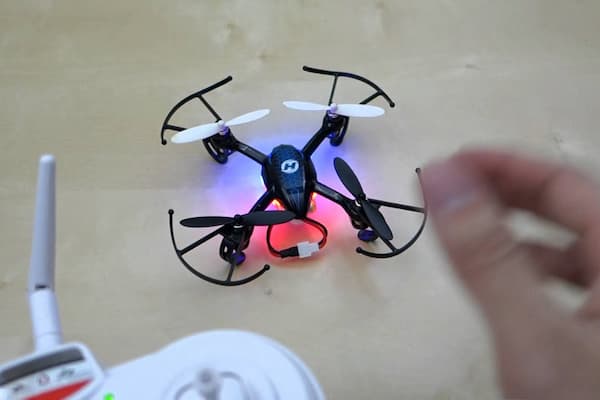
Regular RC drone receivers typically have a single antenna and receiver module. This works well in most situations. However, signal strength can weaken with distance, obstacles, or interference. Quad diversity tackles this issue by incorporating:
- Multiple Antennas: Most often, two antennas are positioned at right angles (90 degrees) to each other. This setup ensures that at least one antenna has a good signal, no matter the drone’s orientation.
- Dual Receiver Modules: The receiver has two modules. Each processes the signal from its antenna.
Here’s How It Works:
- Signal Reception: Both receiver modules receive the signal simultaneously.
- Signal Strength Comparison: The receiver compares each module’s Received Signal Strength Indication (RSSI).
- Automatic Selection: The receiver automatically selects the module with the stronger signal and uses that data for control or video.
This switching happens very quickly, so pilots don’t perceive any interruption.
Benefits Of Quad Diversity:
- Improved Signal Strength: Maintains a strong connection even when one antenna has a weaker signal.
- Reduced Signal Dropout: Less likely to lose control or experience video glitches due to interference.
- Increased Range: Allows for flying further without compromising signal quality.
Quad diversity is valuable for RC drone pilots. This is especially true for those going over long distances. It’s also true for those doing complex maneuvers or going to places with signal interference.
Quad Diversity Components
Quad diversity in RC drones includes key parts that work together to give you a clearer video signal. Let’s explore each component:
Multiple Receivers
Quad diversity systems use multiple receivers, exactly four, to ensure your drone gets the best possible signal. Each receiver grabs its own signal, and this setup lets the system pick the strongest one, so you always get the best video without annoying interruptions.
Antenna Types
The antennas are essential, too. Each of the four antennas can be different or set up in various ways to catch signals. Some antennas pick up signals from far away, while others are good at getting signals from different directions. This mix helps ensure the drone receives a strong signal no matter where it is.
Diversity Controller
The diversity controller is like the brain of the operation. It checks the signals from all four receivers and chooses the clearest one to use. This happens in real-time, really fast, to ensure your drone’s video feed is the best it can be, even if it flies into different areas with different signal qualities.
Applications In Various Drones
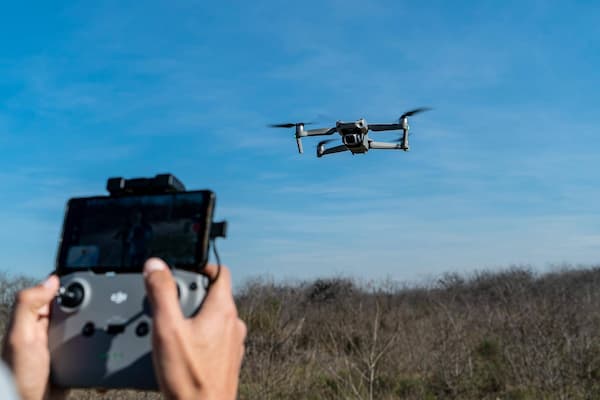
Quad diversity has several exciting uses in RC drones, making it a valuable feature for many drone enthusiasts and professionals.
In Racing Drones
Racing drones fly fast and often near obstacles like trees or buildings that can block signals. With quad diversity, these drones get a stronger, more stable video feed. This helps pilots see the path clearly and make quick, sharp turns without losing the video signal.
For Aerial Photography
For those who love capturing beautiful views from the sky, quad diversity can be a game changer. It ensures that the video link between the drone and the controller stays strong, even when the drone flies far or high.
This means photographers can take clear photos and videos without worrying about losing their connection. Clear skies and distant horizons become easy to capture in perfect detail.
Industrial Inspection Uses
Drones are also used to inspect buildings, bridges, and other large structures. Quad diversity helps keep the video feed steady and clear, even in complex, interference-heavy places.
This reliable signal lets inspectors see and record every detail clearly from a safe distance. They can spot problems like cracks or rust without climbing up, making inspections safer and faster.
Setting Up Quad Diversity
Setting up quad diversity in your RC drone can boost its performance, especially regarding video signals. Let’s look at what you need to get started, some handy installation tips, and how to fix common issues.
Necessary Equipment
To set up quad diversity, you need:
- Four Antennas: These should be high quality to catch the best signals.
- Diversity Receiver: This picks the clearest signal from the four antennas.
- Cables and Connectors: Make sure these fit your drone and receiver.
- Mounting Gear: This helps attach everything securely to your drone.
Installation Tips
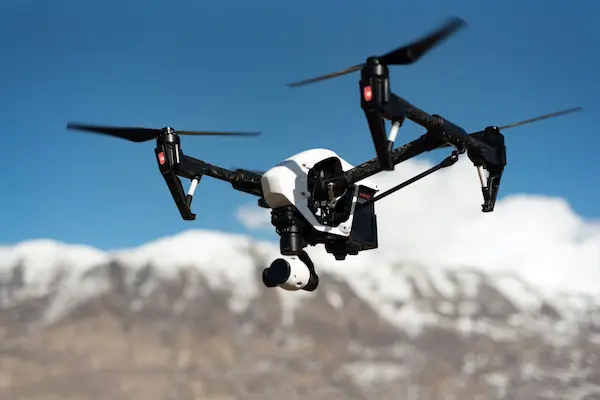
Follow these steps to install everything right:
- Place Antennas Properly: Spread them on your drone to cover different areas. This way, you avoid signal blocking.
- Connect Cables Carefully: Use the cables to connect each antenna to the diversity receiver. Check that connections are tight.
- Secure Everything: Use mounting gear to keep all parts firmly in place. This stops parts from moving or falling off during flight.
Troubleshooting Common Issues
Sometimes, things need to be corrected. Here’s how to fix common problems:
- Weak Signal: Check whether the antennas are blocked or too close together. Move them around for better results.
- Video Drops Out: Make sure all cables are connected properly. Loose wires can cause the video to cut out.
- Interference: After getting interference, try changing the frequency or moving to a different flying spot.
Benefits Of Quad Diversity
Quad diversity in RC drones brings many cool benefits that improve flying drones.
Enhanced Signal Stability
Quad diversity uses four antennas instead of just one. This setup helps the drone pick the clearest signal from multiple options. It’s like having four paths; if one path gets blocked, the drone can quickly switch to another. This means fewer interruptions and steadier connections while you fly.
Improved Video Quality
With better signals comes better video. Clear signals mean your drone’s camera can send high-quality images back to you without fuzziness or glitches. This is great for capturing sharp videos and photos, whether high up in the air or maneuvering through tricky spots.
Extended Range Coverage
Quad diversity also lets your drone fly farther away from you without losing signal. Because it can switch between four antennas to find the best signal, your drone can venture out further and explore new places.
This extended range makes your flying experience more exciting, as you can see and capture more from afar.
Common Challenges
Using quad diversity in RC drones is great, but it comes with some challenges. Let’s examine these and better understand them.
Signal Dropouts
Even with four antennas, sometimes the signal to your drone can drop out. This means the video gets choppy or cuts out entirely.
It usually happens when the drone flies too far away or behind big obstacles like buildings or trees. The good news is that quad diversity tries to switch to the best antenna to keep the signal strong.
Hardware Compatibility
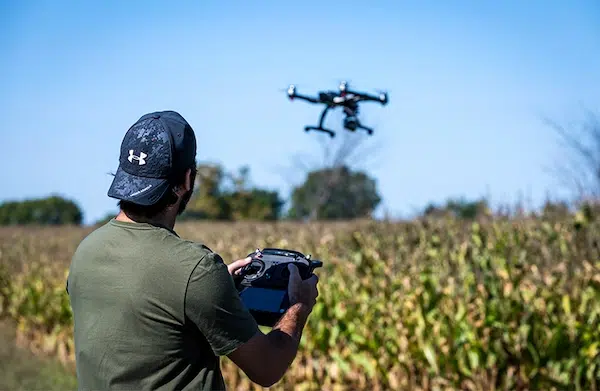
Not all drones or controllers work with quad diversity. Make sure your drone’s hardware can handle multiple antennas.
Some older models may need an upgrade or won’t work with this tech. Before adding new antennas, it’s essential to check your drone’s specs or ask an expert.
Configuration Errors
Setting up quad diversity can be tricky. You need to correctly place and angle the antennas to get the best results. When not done right, it won’t improve your signal and can worsen it. Reading the manual carefully or watching tutorial videos can help you set it up correctly.
FAQs
1. Does Quad Diversity Impact The Range Of An RC Drone?
Quad diversity does impact the range of an RC drone by significantly enhancing the reliability and quality of the signal reception. Using four antennas it allows the system to select the strongest signal from multiple sources, reducing interference and extending the effective operational range.
2. Is Quad Diversity Compatible With All RC Drones?
Quad diversity is not compatible with all RC drones. This technology requires specific receiver hardware capable of managing multiple antenna inputs. Drones with simpler or older systems may not support quad diversity without upgrades to their video transmission and receiving components.
3. What Is The Future Of Quad Diversity In RC Drones?
The future of quad diversity in RC drones looks promising. It will enhance signal reliability and video quality. As drone technology evolves, expect quad diversity to integrate more advanced algorithms and antenna designs, significantly boosting performance and range in challenging environments.
Conclusion: What Is Quad Diversity In RC Drone?
Quad diversity makes your drone’s video clearer and the signal more reliable. It always uses four antennas to pick the best signal. This means you get great videos and a clear trip, even if buildings or trees are around.
So, next time you fly your drone, remember how quad diversity helps you see everything better. It’s a smart way to ensure you always have the best flight experience.