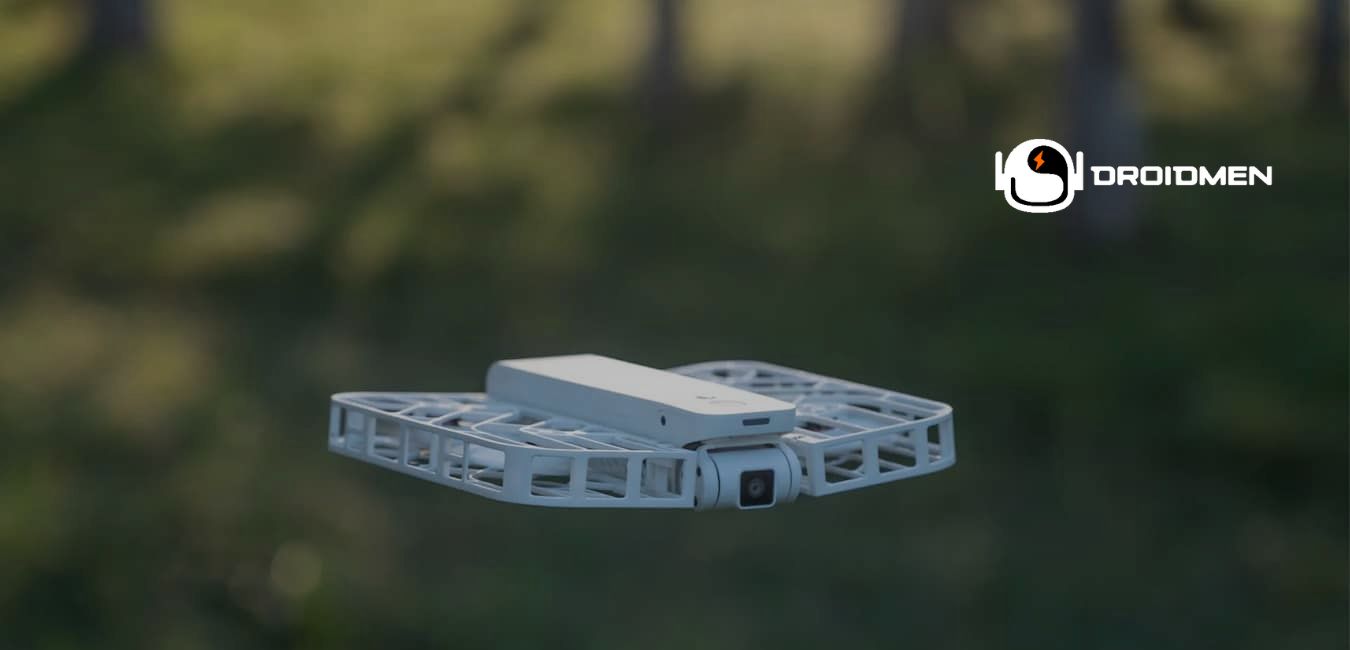
Ever watched a drone zip through the sky and wondered, “Do FPV drones hover?” Well, these high-speed, maneuverable gadgets are known for their agility and dynamic flights, making them super cool.
Even though they seem to be all about speed and acrobatics, you might be surprised to learn they have a few tricks up their sleeves. Let’s dive into the world of FPV drones and discover whether they can indeed defy gravity by hovering in one place!
Table of Contents
Flight Mechanisms of FPV Drones
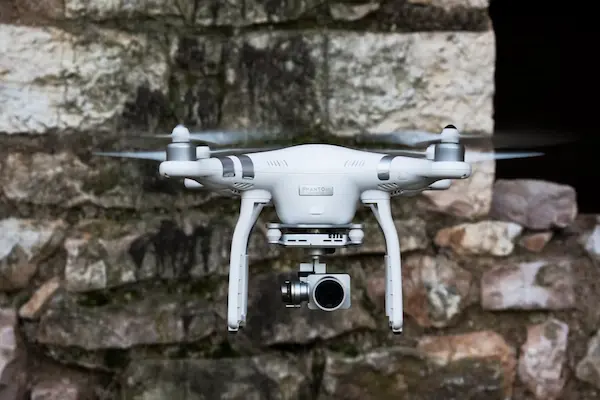
Let’s discover how FPV drones fly. We’ll study their multirotor design, learn how flight controllers keep them steady, and see how throttle control and altitude hold work. It’s like finding the secrets of these quick drones!
Description of Multirotor Drone Design
FPV drones, often called quadcopters, have a multirotor design. They have four motors, each connected to a propeller. By changing speeds, these propellers control the drone’s movements, letting it perform amazing tricks in the sky.
Explanation of the Role of Flight Controllers in Drone Stability
The flight controller is the drone’s “brain,” interpreting signals from the remote control and onboard sensors. It manages the spin of each motor, helping the drone stay balanced and execute intricate maneuvers.
Discussion of Throttle Control and Altitude Hold
Throttle control and altitude hold are crucial elements in drone flight. Throttle control manages the motor speed, determining the drone’s ascent or descent.
Altitude hold, on the other hand, helps maintain a steady height, although its usage in FPV drones may be less common due to their manual operation.
Hovering Capability of FPV Drones
Factors Affecting the Hovering Ability
Weight and Balance
The weight and balance of the drone significantly affect its ability to hover. A well-balanced drone can hover more steadily and respond more accurately to control inputs.
Propulsion System
The propulsion system, which includes the motors and propellers, plays a crucial role in the drone’s ability to maintain a hover. Powerful motors and well-designed propellers can help achieve a stable hover.
Flight Controller Settings
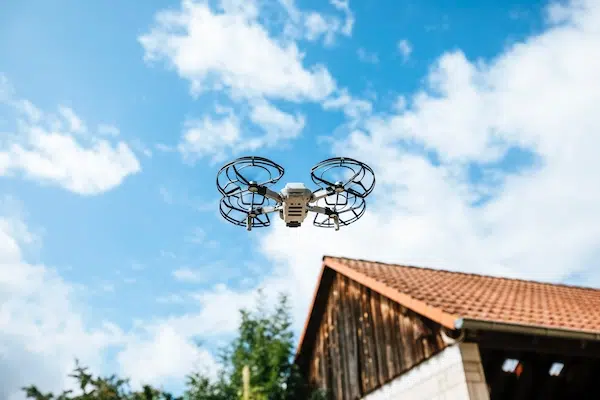
The flight controller’s settings can significantly influence how well the drone can hover. These settings control how the drone reacts to changes in position and speed.
Role of Sensors and GPS in Maintaining Stability During Hovering
Think of sensors and GPS as the drone’s ‘eyes and ears.’ They give important information to the flight controller, which is like the drone’s brain. This information helps the drone stay steady and not move around, even when it’s windy or when it’s using GPS mode.
FPV Drone Piloting Techniques for Hovering
Flying an FPV drone is a thrilling experience, but it requires skill and precision, especially when it comes to hovering. You can consider the 3 tips mentioned below.
Importance of Throttle Control and Stick Inputs
Throttle control and stick inputs are key to maintaining a steady hover. These are your tools for controlling the drone’s altitude and keeping it steady in the air.
Tips for Maintaining Hover Stability
Maintaining hover stability requires practice and fine-tuning. Understanding your drone’s responses to control inputs and practicing in calm conditions are great starting points.
Practicing Hover Maneuvers for Better Control
Practicing hover maneuvers is a great way to get comfortable with your FPV drone. Start with basic movements and gradually progress to more complex maneuvers for better control and confidence.
Limitations of FPV Drones Hovering
When asking whether FPV drones hover, we must also discuss the potential limitations that come with this ability. Hovering isn’t always smooth sailing.
Impact of Weather Conditions on Hovering
Weather conditions greatly affect an FPV drone’s ability to hover. Rain, snow, or even high humidity can interfere with the drone’s electronics and aerodynamics, making stable hovering more challenging.
Battery Life Considerations
Hovering can drain the battery of an FPV drone quicker than you might expect. The motors work hard to keep the drone stationary in the air, which uses up a lot of energy.
So, while these drones can hover, doing so for prolonged periods might shorten your flight time significantly.
Challenges with Wind and Turbulence
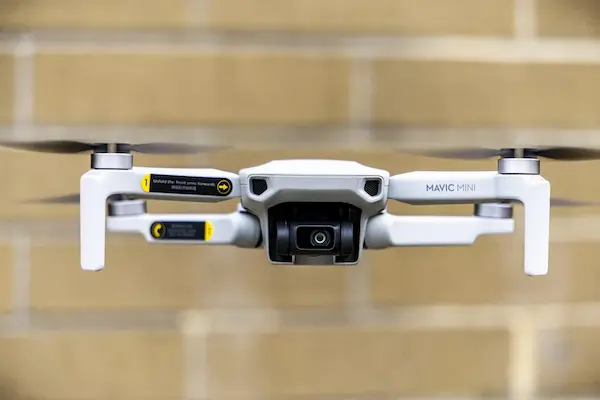
Wind and turbulence are the nemesis of a hovering drone. Even slight gusts of wind can cause the drone to drift, while stronger winds can make hovering extremely difficult, if not impossible.
This is a crucial factor to consider when trying to keep your FPV drone steady in mid-air.
Applications of Hovering in FPV Drones
Hovering might not be the first thing you associate with FPV drones, but it has unique applications. Such 2 applications are:
Aerial Photography and Videography
Even though FPV drones are designed for speed and agility, their ability to hover plays a pivotal role in aerial photography and videography. Hovering allows for stable, focused shots, creating breathtaking imagery from unique perspectives.
FPV Freestyle and Racing
In FPV freestyle and racing, hovering can act as a suspenseful pause in the action or a tactical maneuver. It provides pilots a chance to navigate obstacles with precision or to add a dramatic effect to their freestyle routines.
FAQs
1. Do Drones have a Hover Mode?
Absolutely! Many drones feature a hover mode. This leverages sensors, GPS, and flight control systems to maintain a steady position and altitude. However, racing or freestyle FPV drones might not include a dedicated hover mode.
2. Does the DJI FPV Drone Hover?
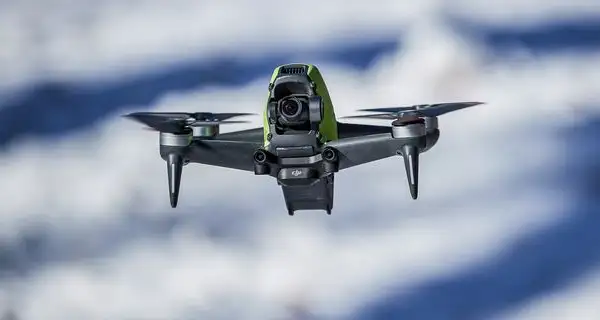
Indeed, the DJI FPV drone can hover. It uniquely blends features of racing and consumer drones, equipped with a GPS system and sensors to hold position and altitude. This enables hovering, offering pilots an exciting mix of speed, agility, and stability.
Conclusion
So, do FPV drones hover? FPV drones are super quick and can perform cool tricks in the air. But did you know, apart from being speedy, they can also stay steady in one place in the air? This is called hovering.
Hovering is a special skill that helps FPV drones do more things. It helps in taking clear photos from the sky or making careful moves during drone races. This skill makes FPV drones more versatile and useful.