Table of Contents
FPV vs GPS Drones
If you’re venturing into the world of unmanned aerial flight vehicles, you may find yourself comparing FPV drones and GPS drones. Many of the best drones on the market today come equipped with one of these navigation systems. But what exactly are the benefits of each type, and which one is right for you? In this article, we’ll explore the differences between FPV drones and GPS drones, and help you make an informed decision based on your needs and preferences.
Understanding the Differences
The main distinction between FPV (First-Person View) drones and GPS drones lies in how they are controlled during flight. GPS drones are typically operated remotely from the ground, using a dedicated remote control device or a smartphone app. On the other hand, FPV drones are controlled from the perspective of the drone’s cockpit, with the pilot receiving real-time video feed from an onboard camera. Whether you’re comparing a 4s vs 6s FPV drone or any other FPV model, this mode of control remains consistent.

Integration Options
When it comes to integration, most drones come with a GPS-based control system right out of the box. However, not all drones are equipped with a front-facing cockpit camera, which is essential for FPV flight. The good news is that you can easily transform a GPS drone into an FPV drone by adding a compatible camera and accessing specialized software to control the brushless motors. This means that you can enjoy the benefits of both navigation systems with a single drone.
Obstacle Detection: Manual vs. Automated
One area where GPS drones have a slight advantage over FPV drones is obstacle detection. FPV drones rely on the pilot’s manual observation and quick reflexes to avoid potential obstacles while flying. With the cockpit view provided by the onboard camera, pilots can navigate through challenging environments more effectively. On the other hand, most GPS drones come equipped with some form of obstacle avoidance technology. However, some pilots prefer to rely on their own eyesight and control abilities, especially in situations where technology might fail.
Additional Features and Control Modes
GPS drones often leverage their navigational technology to offer additional features such as follow-me modes and return-home modes. These modes allow the drone to autonomously track and follow a designated target or return to its takeoff point with the push of a button. While these features are not always available in FPV drones due to the unique control scheme, it is still possible to access them if you’ve added FPV capabilities to your GPS drone through a camera upgrade and specialized software.
Frequently Asked Questions
1. Does your drone need GPS?
In general, most conventional drones benefit from GPS technology, whether you’re flying a mainstream drone or an RC quadcopter. GPS provides crucial positioning and navigation data, enhancing stability and flight precision.
2. Does GPS make everything better?
While GPS is certainly useful for many drone applications, it may not be the ideal choice for certain scenarios, such as drone racing. GPS drones and other conventional drones excel at aerial photography and videography, where stable positioning is crucial.
3. What is an auto return to home (RTH) feature?
The auto return to home feature, commonly found in GPS drones, allows the drone to automatically fly back to its takeoff point or the controller’s location. This feature provides peace of mind and ensures the safe retrieval of the drone, even in situations where the pilot loses control or encounters an emergency.
The Legacy of FPV Drones
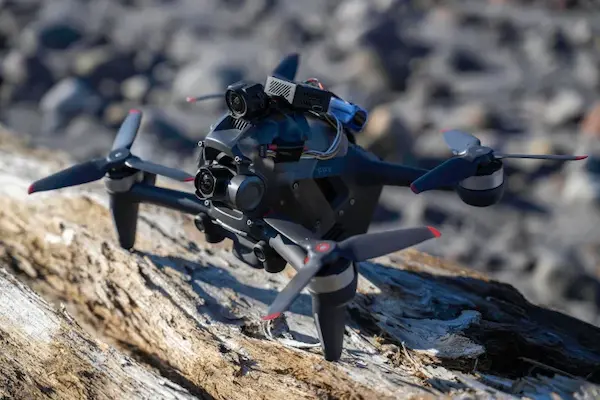
It’s worth noting that FPV drones have a rich history and have played a significant role in shaping the drone industry. Jesse Perkins, an FPV pioneer, is often credited with inventing the legendary “Tiny Whoop” aircraft, which is considered one of the first FPV drones ever made. Today, FPV drones continue to gain popularity, especially in the world of drone racing and immersive aerial experiences.
Conclusion
When deciding between FPV drones and GPS drones, it’s crucial to consider your specific needs and preferences. GPS drones offer remote control capabilities and a range of automated features, making them suitable for various applications such as aerial photography and videography. On the other hand, FPV drones provide an immersive flying experience and excel in scenarios where manual obstacle detection and precise control are required. By understanding the differences, benefits, and limitations of each navigation system, you can make an informed decision and choose the drone that best suits your needs. So, whether you’re a professional aerial photographer or an FPV enthusiast, there’s a drone out there waiting to take your flight experience to new heights.