A deep dive into the world of drones reveals a landscape constantly evolving. With each passing year, advances in technology continue to enhance the performance and durability of these airborne marvels. How long do drones last, though? This question remains a focal point for drone enthusiasts, and the answer isn’t as straightforward as one might think. This article elucidates the drone’s lifespan, providing a comprehensive look at the factors that determine longevity and offering tips to help maximize your drone’s lifespan.
Table of Contents
Understanding Drone Longevity
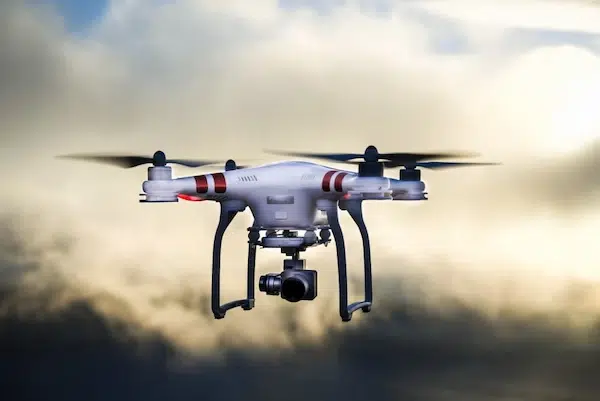
Drones are built with resilience in mind. Crafted with robust materials and advanced technology, a well-maintained drone can offer service for many years. However, how long do drones last isn’t a one-size-fits-all answer. It depends on factors such as the drone’s build quality, the frequency of usage, the manner of usage, and the maintenance practices.
The key to extending the lifespan of your drone lies in understanding how to take proper care of it. With the right routine, you can ensure that your drone stays in optimal condition for years to come.
The Art of Drone Maintenance
Ensuring that your drone lasts long requires consistent and thorough maintenance. Keeping your drone clean and free from dust or debris is an integral part of this routine. Here are some steps to follow to keep your drone in top shape:
- Use compressed air to blow out dust or debris from the drone’s body.
- Wipe down the drone’s surfaces with a soft cloth dampened with warm water.
- For stubborn stains, consider using an alcohol swab or diluted rubbing alcohol.
Note that the cleaning process should be done gently to avoid damaging the sensitive parts of the drone.
Drone Battery Life: A Key Factor in Drone Longevity
A drone’s battery life is a critical aspect that affects its lifespan. Typically, a drone with a decent battery life should give you about 20-25 minutes of flight time before requiring a recharge. However, factors such as the drone’s size, the type of battery, and the flying conditions can significantly impact this duration.
For instance, smaller drones tend to have shorter flight times due to their smaller battery capacities. On the other hand, larger drones, like the DJI Phantom 4 Pro+, come equipped with extra-large capacity batteries that can provide an additional 10 minutes of flight time compared to models with smaller batteries.
Factors That Affect a Drone’s Lifespan
Several factors can influence how long your drone will last. These include:
- Frequency of use: The more frequently you fly your drone, the more wear and tear it experiences. This can lead to a shorter lifespan.
- Handling: Mishandling your drone can cause damage that shortens its lifespan. This includes crashing the drone or not keeping your fingers clear of propellers while flying.
- Storage conditions: Proper storage of the drone and its batteries is essential for prolonging its lifespan. Batteries should be stored in a cool and dry place to prevent performance reduction due to cold or moisture.
By understanding these factors, you can take steps to maximize your drone’s lifespan.
Lifespan of Popular Drone Models
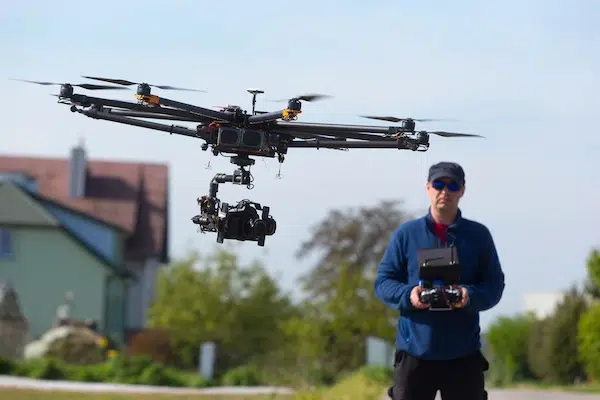
Not all drones are created equal, and their lifespan can vary significantly depending on the model and manufacturer. Some drones, like the DJI Phantom 4, are known for their long lifespan. With an average lifespan of 3 years, the DJI Phantom 4 is one of the most durable drones available. It’s followed closely by the Mavic Air with an estimated lifespan of 3 years, and the DJI Spark with an average lifespan of 2 years.
Durability of DJI Drones
DJI is a renowned drone manufacturer, known for producing durable and robust drones. DJI drones are crafted with high-quality materials that can withstand crashes, falls, and normal wear and tear. The drone’s rotor or propeller, a critical component, is often made from plastic or carbon fiber to ensure it’s lightweight yet strong enough to withstand rough landings and take-offs.
Maintenance of DJI Drones
While DJI drones are known for their durability, they still require regular maintenance to remain in optimal condition. This includes checking the propellers for any signs of wear or damage, ensuring the motors are clean and functioning correctly, and regularly inspecting all screws on the drone. Regular software/firmware updates are also essential for the smooth functioning of your DJI drone.
Maximizing the Lifespan of DJI Drones
Here are some key steps to ensure your DJI drone lasts longer:
- Regularly check the propellers for any signs of wear or damage. If any seem damaged, replace them immediately.
- Regularly inspect the drone motors to ensure they are clean and functioning correctly.
- Regularly check all screws on your drone for any signs of damage or loosening.
- Regularly update the drone’s software/firmware for optimal performance.
- Practice preventive drone maintenance, like cleaning your drone after every flight and conducting a visual inspection before every flight.
Battery Life of Popular DJI Drone Models
The battery life of a DJI drone depends on several factors, including the drone model and how it’s used. For instance, the Mavic Mini has a battery life of about 25 minutes, while the DJI Air 2’s battery life can range between 15 to 20 minutes depending on usage. The DJI Phantom 4 Pro, on the other hand, boasts a battery life of about 25 minutes under optimal conditions.
Lifespan of DJI Motors
The motors of a DJI drone are designed to be long-lasting, powerful, and efficient. However, like any machine part, their lifespan depends on usage frequency and maintenance practices. Regular inspection and cleaning of the motors can go a long way in ensuring they last longer.
Frequently Asked Questions: Drone Longevity
What are drones made of?
Drones are usually made of lightweight materials like carbon fiber, which is strong, flexible, and durable. The use of carbon fiber is ideal for drones as it allows for high performance without significant weight.
How can I calculate my drone’s flight time?
Calculating your drone’s flight time involves considering the drone’s battery capacity, its weight, the payload weight, wind speed, ambient temperature, and altitude. A formula like the following can be used:
Flight Time = Battery Capacity / (Drone Weight + Payload Weight) + Wind Speed x Ambient Temperature x Altitude
How can I increase my drone’s lifespan?
You can increase your drone’s lifespan by avoiding crashes, maintaining the drone regularly, and storing it correctly. Regular software/firmware updates and timely replacement of damaged parts also contribute to a longer drone lifespan.
How long do drones last?
The lifespan of a drone depends on various factors, including the drone’s build quality, usage frequency, handling, and maintenance practices. Professional drones usually have a longer lifespan than recreational drones due to their superior build quality and rigorous maintenance schedules.
What should I check when buying a used drone?
When buying a used drone, check for all parts and ensure they are in good condition. Look for signs of damage on the drone, and if possible, take it for a test flight before purchasing.
Conclusion
While it’s challenging to provide a definitive answer to the question, “how long do drones last,” it’s clear that with proper care and maintenance, a drone can serve you for many years. Whether you’re a hobbyist or a professional, understanding the factors that affect your drone’s lifespan and how to maintain it properly will ensure you get the most out of your investment. Happy flying!