Have you ever looked at birds in the sky and wished you could fly? Well, flying an RC plane is the next best thing! Learning how to fly an RC plane is not just for experts or engineers.
It’s a fun hobby that anyone can enjoy. With a remote in your hand, you get to control your own mini airplane. Imagine making it soar high, do flips, and land smoothly back on the ground.
Ready to become a pilot of your own small but awesome plane? Let’s get started!
Table of Contents
Understanding Your RC Plane

Before you take off, it’s good to know what you’re flying. Understanding your RC plane makes you a better pilot and adds fun to the hobby.
Different Types of RC Planes
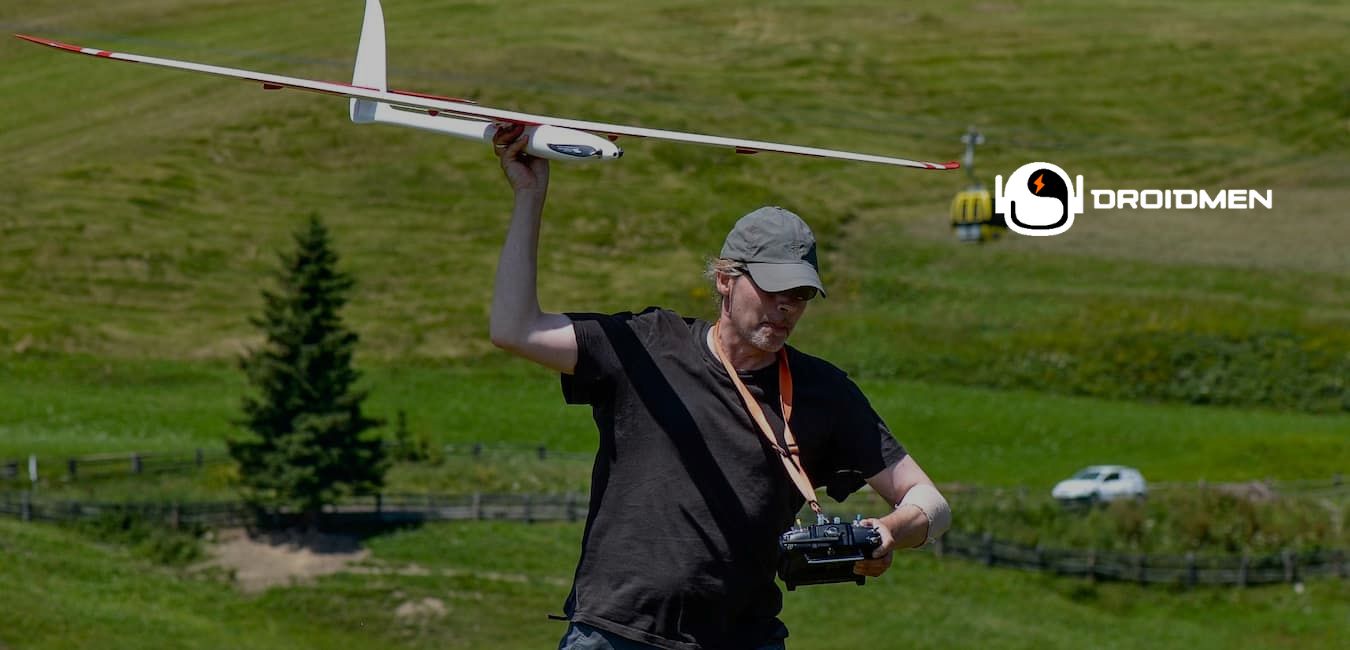
There are various kinds of RC planes. Some RC planes are great for beginners, and some are for pros. The common types include gliders, sports planes, and jets. Gliders are slow and easy to control. Sports planes are faster but still manageable.
The jets are super fast and need the skill to fly.
Anatomy of an RC Plane
An RC plane has 4 key parts. The body of the plane is called the fuselage. The wings help it lift off and stay in the air. The tail controls direction. The propeller or jet engine gives it the power to move.
Pre-flight Preparation
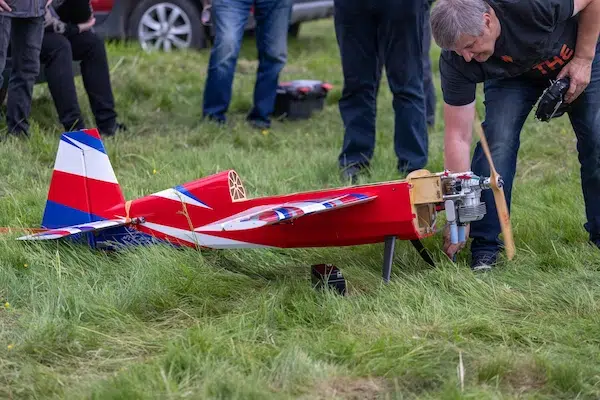
Taking a little time to prepare can make your flight much better. You can consider these 4 steps mentioned below.
Selecting the Right Flying Location
Choosing the right spot to fly your RC plane is key. Look for large, open spaces like empty fields or big parks. Places with too many trees, people, or power lines can make flying risky and less fun.
Checking Weather Conditions
Good weather is your best friend when flying. Aim for days that are sunny and not too windy. Rain and strong winds make flying difficult and harm your plane. Always check the weather forecast before heading out.
Inspecting Your RC Plane
A quick look at your plane can prevent problems. Check the wings, the tail, and the propeller to ensure they are firmly attached. Confirm there are no cracks or damages. This helps ensure your plane flies well and stays safe.
Battery and Radio Transmitter Check
Before flying, make sure your battery is fully charged. Also, test your radio transmitter to make sure it works. A low battery could make your plane drop, and a faulty transmitter can lead to a loss of control.
Radio Transmitter Basics

Controls and Functions
Your radio transmitter is like the cockpit of your RC plane. It has buttons, joysticks, and dials. Each one has a job. Some move the plane up and down. Others make it go fast or slow. Knowing these controls makes you a better pilot.
Throttle, Aileron, Elevator, and Rudder
Let’s break down the main controls. The throttle controls speed. The aileron helps the plane roll side to side. The elevator makes the plane go up and down. The rudder helps it turn left and right.
Master these, and you’ll fly like a pro!
Ground Handling and Takeoff
Before you soar high, you need to get off the ground. This part of your journey is just as important. Let’s learn about taxiing and taking off the right way in 2 steps.
Taxiing the Plane
Taxiing means moving your plane on the ground. Use your radio transmitter to slowly guide it on the runway. Make sure the path is clear. Taxiing helps you get a feel for the controls and ensures your plane is ready for takeoff.
Proper Takeoff Techniques
For a great takeoff, line your plane up with the runway. Use your throttle to speed up. As you gain speed, gently use the elevator control to lift off. A smooth takeoff sets the stage for an awesome flight ahead.
In-Flight Maneuvers
Once you’re up in the sky, the fun really begins. Flying isn’t just about going straight; it’s about making awesome moves in the air. Let’s break them down into 3 steps.
Basic Turns and Banking
Turning your RC plane is like dancing in the sky. Use both the aileron and rudder to make your plane lean and turn smoothly. Start by mastering easy left and right turns.
Basic turns set the foundation for all the cool moves you’ll do later.
Climbing and Descending
Going up or coming down is all about control. Use the elevator button on your transmitter to climb or descend. Push it up for climbing and pull it down to descend.
It’s like an elevator, only more fun and way up in the sky!
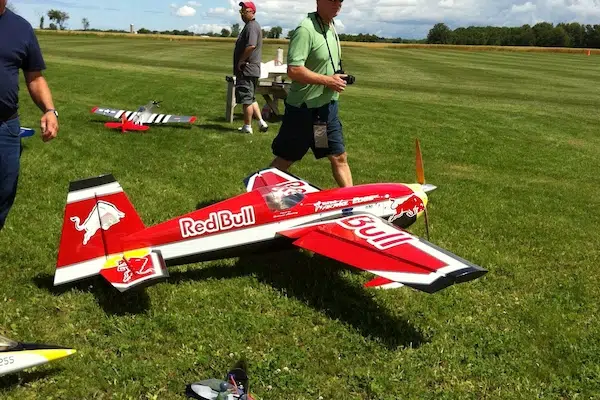
Coordinating Aileron and Rudder
For those sharp and stylish turns, you’ll often need to use the aileron and rudder together. Doing this gives you more control and makes your turns more precise.
This is a must-know skill for any pilot who wants to master the art of flying.
Navigating the Plane
Steering your plane isn’t only about turns and climbs. You’ll face different weather and landmarks too. Here are 2 steps on how to manage them like a pro.
Flying in Different Wind Conditions
Wind can make flying tricky. It’s best to stay on the ground if it’s too windy. But the light wind is okay. Practice flying against the wind and with it. This helps you control your plane better, no matter the weather.
Using Visual Landmarks for Orientation
Landmarks like trees or buildings can help you know where you are. Use them to guide your flight. This makes it easier to steer and brings you safely back to your starting point. It’s like having a map in the sky!
Safety Measures
Flying is fun but safety comes first. Let’s keep your RC plane and everyone else safe too.
Maintaining Safe Altitudes
Keep your plane at a safe height. Too low and you will hit something. Too high and you will lose sight of it. A good rule is to fly as high as the tallest object near you. This keeps everyone safe.
Avoiding No-Fly Zones and Obstacles
Some areas are off-limits for flying, like near airports. Always check if it’s okay to fly in your chosen spot. Also, watch out for obstacles like trees and buildings. Keeping clear of these ensures a fun and safe flying experience for everyone.
Landing Your RC Plane

Bringing your plane back to Earth is just as important as taking off. Let’s look at 2 steps how you can land like a champ.
Choosing the Right Approach Angle
When you’re ready to land, pick a clear path. Your plane should come in at a slight angle. This makes it easier to touch down smoothly. Like a bird landing on a branch, the right angle helps you land safely and without bumps.
Managing Speed and Descent
As you come in for a landing, keep an eye on your speed. Slow down a little but not too much. You also need to lower the plane bit by bit. Think of it like a gentle slide down a hill.
This helps for a soft and safe landing.
Post-Flight Care and Maintenance
Taking care of your RC plane extends its life and makes your flights better. Let’s consider the 3 steps.
Inspecting for Damage
Right after landing, always inspect your RC plane for any damage. Look at the wings, body, and propellers. Quick repairs now can save you from big problems later. This keeps your RC plane in great shape for your next flight adventure.
Battery Care and Storage
The battery is crucial for an RC plane. After flying, disconnect the battery and let it cool down. Store it in a cool, dry place. Good battery care helps you get more flying time and a longer battery life.
Cleaning and Storage Tips
Clean your RC plane after each flight. Use a soft cloth to wipe off any dirt. Store the plane in a dry place, away from the sun. Keeping your plane clean and well-stored makes your next flight even more enjoyable.
Gradual Skill Advancement

Mastering Basic Flight Before Advanced Moves
Before you try tough moves, master the basics. Make sure you can take off, land, and make simple turns. Getting the basics right gives you a strong foundation.
Then you can safely try more exciting moves and get more joy out of flying.
Practicing with Simulators
Using a simulator is a smart way to get better. It lets you practice without the risk of crashing your real RC plane. Simulators help you get used to the controls and make you a better pilot.
They’re a fun and safe way to sharpen your skills.
Conclusion: How To Fly An RC Plane
You did it! You’ve walked through all the steps to become an RC plane pilot. From picking the right plane and place to fly, to mastering takeoffs and landings, you’re on your way to the skies!
Keep practicing and even try out a simulator. Remember, the sky’s not the limit, it’s just the beginning. Happy flying, and always keep safety in mind. Your RC plane adventures are just taking off!