Table of Contents
The World Of Drones
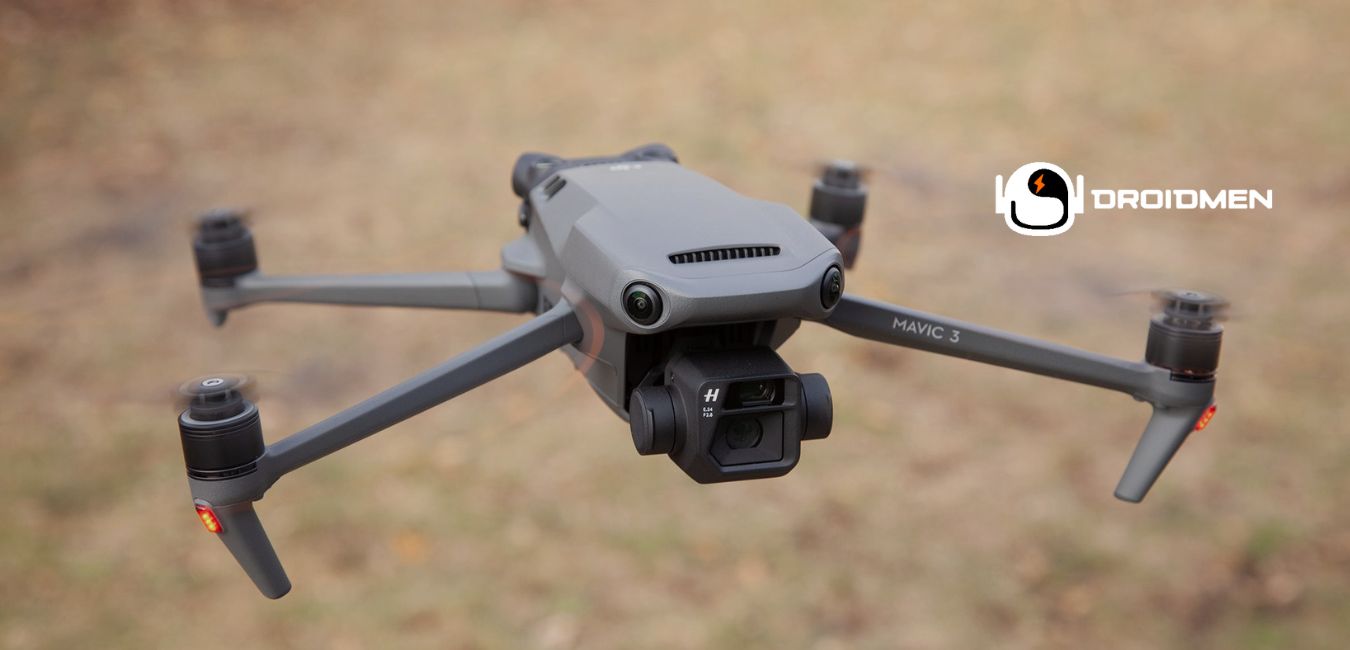
Drones, also known as unmanned aerial vehicles (UAVs), have revolutionized various industries with their versatility and advanced capabilities. These aircraft operate without a human pilot on board and can be controlled remotely or autonomously by computers. From photography and videography to agriculture and disaster management, the applications of drones are vast and continue to expand.
In this comprehensive guide, we will delve into the world of drones, exploring their features, capabilities, and legal considerations. Whether you are a hobbyist, professional, or simply curious about this exciting technology, this article will provide you with a wealth of information to navigate the world of drones.
Understanding Waterproof Drones

One of the key considerations when choosing a drone is its ability to withstand water. While not all drones are waterproof, some models are specifically designed to be water-resistant or even fully waterproof. Waterproof drones can operate in rainy or snowy conditions and can even land on or take off from water surfaces. It is important to note that “water-resistant” and “waterproof” are not synonymous. Water-resistant drones can handle minor splashes or light rain, while waterproof drones can be fully submerged in water for a certain amount of time without sustaining damage.
Before operating a drone in wet conditions, it is essential to check the manufacturer’s guidelines. Even with waterproof drones, other factors such as temperature and water pressure can affect the drone’s performance and longevity.
The Need for Speed: How Fast Can Drones Fly?
The speed of a drone depends on various factors such as its design, size, weight, and motor power. Commercial drones typically have an average speed range of 10 to 60 miles per hour. However, racing drones, which are specially designed for speed, can reach staggering speeds above 100 miles per hour. In the military sector, drones like the MQ-9 Reaper can even surpass speeds of 300 miles per hour.
It is important to note that drone speed regulations may vary depending on the country and airspace restrictions. Always abide by local regulations and fly your drone responsibly.
Flying at Night: Regulations and Considerations

Flying a drone at night can offer unique perspectives and opportunities for aerial photography or surveillance. However, it is crucial to understand the regulations and considerations associated with nighttime drone flights. In many countries, including the United States, flying a drone at night is permitted under certain conditions. Pilots may be required to undergo special training, equip their drones with anti-collision lights, and obtain permission from local regulating authorities.
Before embarking on a nighttime drone flight, always check your local regulations and ensure you have the necessary training and equipment to operate safely in low-light conditions.
Reaching New Heights: Maximum Altitude for Drones
The maximum altitude that a drone can reach is subject to regulations that vary from country to country. In the United States, the Federal Aviation Administration (FAA) limits the altitude of recreational and commercial drones to 400 feet above ground level. This restriction is in place to prevent conflicts with manned aircraft, which typically operate at higher altitudes.
Some drones have built-in software restrictions to ensure compliance with these altitude limits. However, it is the responsibility of the drone operator to be aware of and adhere to these regulations to ensure safe and legal operations.
Autonomous Flight: Drones Flying Without Remote Control
One of the remarkable features of modern drones is their ability to fly without direct remote control. Many drones utilize advanced sensors, GPS systems, and pre-programmed flight paths to navigate and maintain stability in the air. Some drones even have obstacle avoidance technology and the capability to return to their takeoff point using a “return-to-home” function.
This autonomy allows drones to perform complex tasks and operate in challenging environments without constant human intervention. However, it is crucial for drone operators to understand the capabilities and limitations of autonomous flight and ensure they have a clear understanding of the drone’s behavior in different scenarios.
Headless Mode: Simplifying Drone Control
Controlling a drone can be challenging, especially for beginners who may struggle with understanding the drone’s orientation. Headless mode is a feature found in many drones, particularly those designed for beginners. When a drone is in headless mode, its movements are relative to the controller, not the drone’s orientation. This means that regardless of which way the drone is facing, instructing it to move left will result in movement to the left relative to the controller. Headless mode simplifies the control process and makes it more intuitive for beginners to operate drones.
Finding a Lost Drone: Techniques and Tools
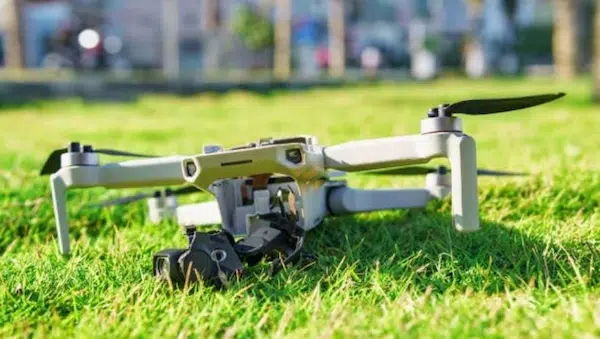
Losing a drone can be a distressing experience, but there are techniques and tools available to help locate a lost drone. Many drones are equipped with GPS systems that can assist in tracking their location. Some drones even have a “return home” feature that enables them to fly back to their launch point if they lose connection with the controller. Additionally, third-party tracking devices can be attached to drones for extra security and tracking capabilities.
If you find yourself in a situation where your drone is lost, reviewing the drone’s flight logs and contacting the manufacturer’s customer support for assistance can be helpful in locating it.
Obtaining a Drone License: Commercial Operations
Operating a drone for commercial purposes often requires obtaining a license or certification. In the United States, commercial drone pilots are required to obtain a Part 107 certification from the FAA. To obtain this certification, pilots must meet certain criteria, including being at least sixteen years old, having the ability to communicate in English, and passing an aeronautical knowledge exam at an FAA-approved testing center. Once certified, pilots are issued a remote pilot certificate, allowing them to conduct commercial drone operations.
It is essential to familiarize yourself with the regulations and licensing requirements in your country or region before engaging in any commercial drone activities.
Registering Your Drone: Legal Obligations
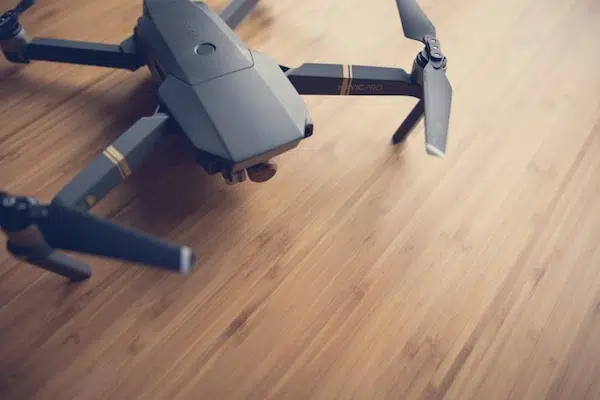
In many countries, including the United States, drone owners are required to register their drones with the aviation authorities. The registration process typically applies to drones weighing between 0.55 pounds (250 grams) and 55 pounds (25 kilograms). Failure to register your drone can result in legal consequences and may limit your ability to operate your drone legally.
To ensure compliance with registration requirements, it is important to research and understand the regulations specific to your country or region. Registering your drone demonstrates responsible ownership and contributes to the safe integration of drones into the airspace.
The Legal Landscape: Trespassing and Privacy
As the popularity of drones continues to rise, so do concerns about privacy and trespassing. The legal aspects of where drones can fly and whether they can overfly private property can be complex and vary from region to region. In many jurisdictions, flying a drone low over private property and invading the privacy of residents may be considered trespassing. However, at higher altitudes, airspace is typically considered public.
It is essential for drone operators to stay informed about the current laws, regulations, and legal precedents in their area to avoid potential legal issues. Respecting privacy and adhering to the rules and regulations governing drone operations is crucial for maintaining the public’s trust and ensuring the responsible use of this technology.
Conclusion
Drones have revolutionized various industries and opened up new possibilities for aerial exploration, photography, videography, and much more. Understanding the features, capabilities, and legal considerations of drones is vital for both hobbyists and professionals. From waterproof drones and their ability to withstand water to speed and altitude limitations, there are several factors to consider when operating a drone.
Autonomous flight capabilities, such as the ability to fly without remote control and headless mode, simplify drone operations and make them more accessible to beginners. In the unfortunate event of a lost drone, utilizing GPS systems, flight logs, and tracking devices can aid in locating it. Operating drones commercially requires obtaining the necessary licenses and adhering to registration requirements, while respecting privacy and trespassing regulations is crucial to avoid legal issues.
As the world of drones continues to evolve, staying informed about regulations, advancements in technology, and best practices is essential for safe and responsible drone operations. Embrace this exciting world of unmanned aerial vehicles and unlock the endless possibilities they offer.