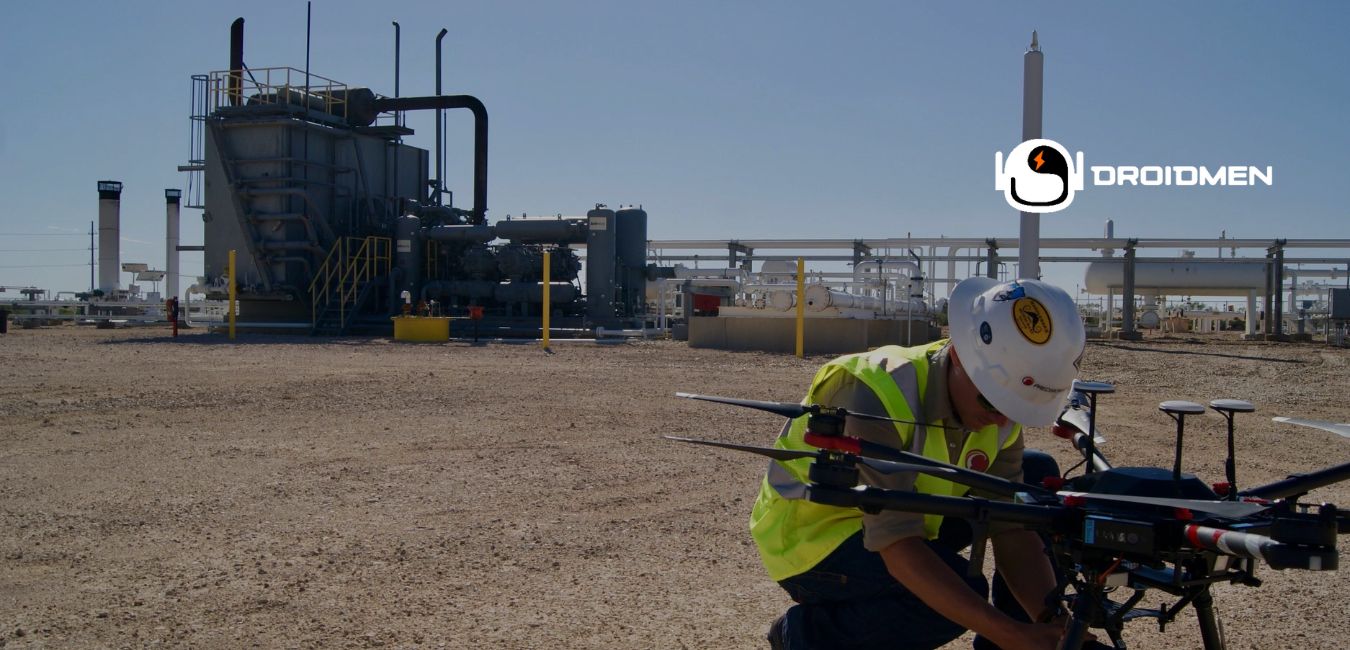
Oil and gas is a big business, but it’s also a dangerous one. Workers risk their lives daily to explore and extract these precious resources. But what if there was a way to make this industry safer and more efficient?
Drones in oil and gas industry are changing the way they operates. They make jobs safer and save companies money.
They can look at big tanks and long pipelines without a person having to climb or walk for miles. This means fewer accidents and faster work.
Want to know how these flying wonders are changing the oil and gas world? Keep reading to learn more about drones in oil and gas industry.
Table of Contents
History And Evolution
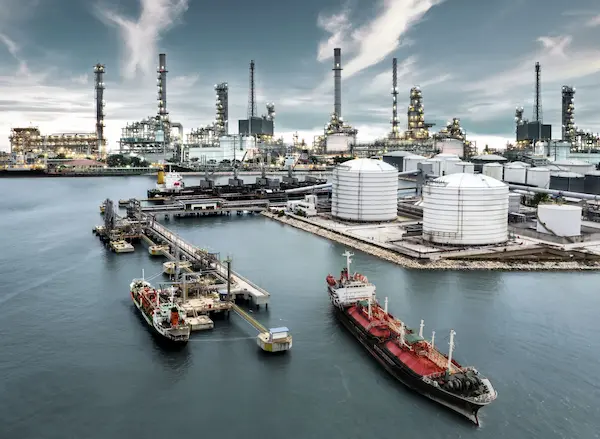
Drones first came to the oil and gas industry in the early 2000s. Back then, they were simple machines with limited capabilities.
But they quickly became popular because they could do dangerous or complex tasks without putting workers at risk.
One of the first significant uses of drones in the oil and gas industry was inspection and maintenance.
Drones could check pipelines, flares, and other equipment for damage or corrosion. They could also be used for maintenance tasks, like cleaning and repairing equipment.
In recent years, drones have become more powerful and capable. They now have high-resolution cameras and sensors to collect detailed data about oil and gas assets.
Drones are also used for more things, like surveying and mapping, monitoring the environment, and searching and rescuing people.
Here is a timeline of how drones have evolved in the oil and gas industry:
- 2002: BP starts using drones to inspect pipelines.
- 2005: Chevron starts using drones to inspect flares.
- 2008: Shell starts using drones to survey and map.
- 2010: ExxonMobil started using drones to monitor the environment.
- 2012: ConocoPhillips starts using drones to search and rescue people.
Today, almost all major oil and gas companies use drones. They have become essential for making the industry safer, more efficient, and better for the environment.
Key Applications of Drones in the Oil and Gas Sector
Inspection And Maintenance
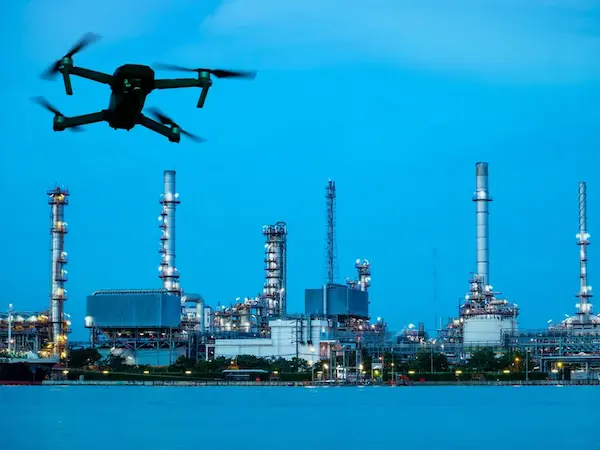
Drones play a big role in the oil and gas world. They help people see things from the sky. One big job they do is checking machines and parts.
In the past, people climbed high places to look at things. Now, drones can fly there and take pictures.
This makes the work faster and safer. Workers can see if something is broken or needs fixing.
Exploration And Mapping
Finding new places for oil and gas is essential. Drones help with this. They can fly over large areas of land or sea.
They take pictures of the ground below. These pictures help experts see where oil or gas hides.
They make a map using these pictures. This map shows where to drill. It saves time and money.
Safety And Surveillance
Safety is very important in the oil and gas industry. Drones help keep an eye on things. They can fly around a site all day and night.
They take videos of what they see. This way, workers know if there is danger.
For example, when a machine leaks or when someone enters the site without permission, drones can catch it. This keeps everyone safe.
Environmental Monitoring
The earth is essential. We need to take care of it. Drones help us see how the oil and gas work changes the land and water.
They take pictures of plants, animals, and water near the work sites. And the drone can spot it if there’s a problem, like a spill. This helps companies fix issues before they get big.
Benefits Of Using Drones
Cost Efficiency
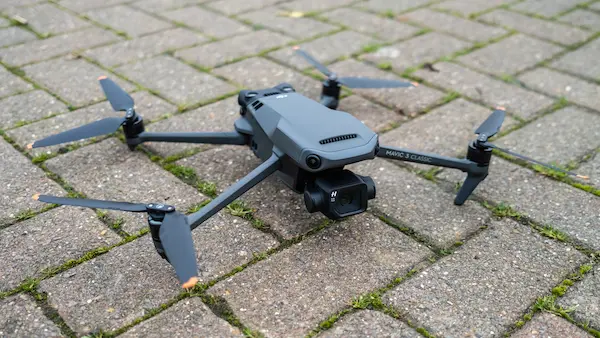
Drones save money. Before drones, companies used helicopters or people to check big machines and pipes. Helicopters cost a lot of money to run. People need time to climb and check things.
But drones can fly quickly and easily to these spots. This means less money spent on helicopters and less time paying workers to climb.
Safety Enhancements
Drones keep people safe. Oil and gas places are dangerous. There are high machines, hot pipes, and risky areas. In the past, people had to go to these places. This put them in danger.
Now, drones can go instead. They can fly to high or hot places. So, it’s okay if a drone gets hurt.
But it’s a big problem if a person gets hurt. So, using drones means fewer people get injured.
Data Accuracy
Drones get things right. They have cameras and tools that take clear pictures and gather good data. When people do the job, they miss something. They do not see a small crack or leak.
But drones can see them easily. This means companies can fix problems sooner and avoid bigger issues. Everyone wants correct and quick information. Drones provide that.
Challenges And Considerations
Regulatory Hurdles
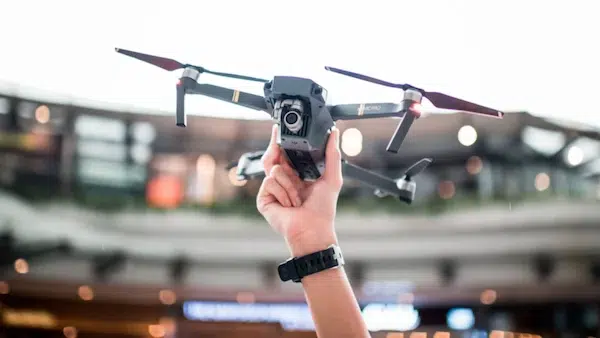
Drones help the oil and gas industry a lot. But using drones isn’t always easy. One big problem is the rules made by the government.
Before a company can fly a drone, they need to get permission. These rules make sure that drones fly safely.
They also protect people and property on the ground. Companies have to learn and follow these rules. Sometimes, this can slow things down.
Privacy Concerns
Another problem is about privacy. People like to keep their lives private. They don’t want drones looking into their homes or backyards.
So, when drones fly to check oil and gas sites, they see things they shouldn’t. Companies need to be careful. They must make sure that drones respect people’s privacy.
This means not taking pictures of places they shouldn’t. And it means flying the drone only where it needs to go. By doing this, companies can make sure they respect everyone’s rights.
Drones In Oil And Gas Industry: Final Thoughts
Drones are changing the oil and gas world. These flying robots make work safer, faster, and better. Think of them as the new helpers in the sky. The application of drones in this sector is wide-ranging.
Soon, we will see them everywhere in this industry. They help find oil, check pipes, and keep workers safe.
So, the next time you see a drone above an oil field, remember it’s there to help and improve things for everyone.
Read a relevant article on drones in the construction industry.