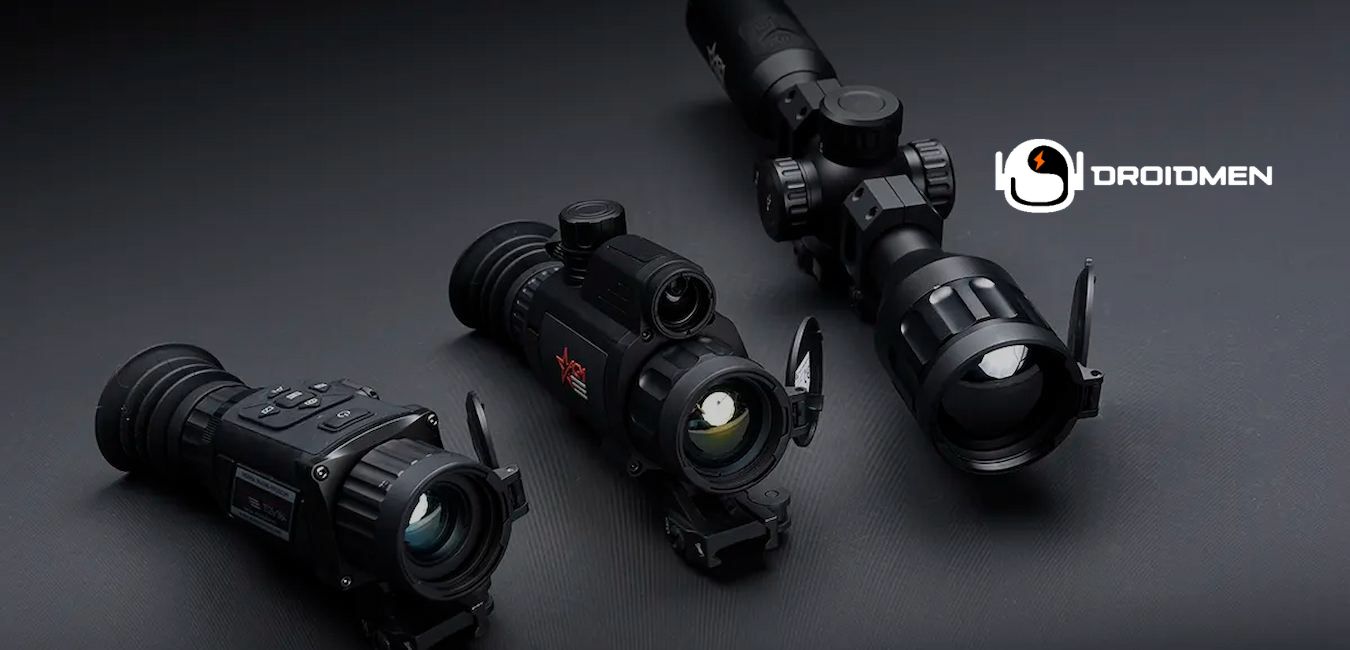
In the realm of cutting-edge technology, thermal optics has emerged as an indispensable tool, revolutionizing the way we perceive our surroundings. Through the lens of thermal imaging, this user-friendly guide explores the multifaceted world of thermal optics, uncovering its applications, principles, and the transformative impact it has had on diverse fields.
Table of Contents
Understanding Thermal Imaging
Thermal imaging, at its core, relies on the detection of infrared radiation emitted by objects. Unlike traditional optics that depend on visible light, thermal optics capture the heat signatures of objects. This fundamental principle has given rise to a range of thermal imaging devices, with thermal optics playing a pivotal role in transforming infrared data into visible images.
The Principles Of Thermal Optics
Thermal optics operate using specialized sensors known as microbolometers. These sensors detect variations in temperature, converting the infrared radiation emitted by objects into electrical signals. These signals are then processed to generate a visible image that represents the heat distribution in the scene.
Applications Of Thermal Optics
-
Military And Law Enforcement
Thermal optics have become a cornerstone in military and law enforcement operations. The ability to detect heat signatures in complete darkness or through obscurants provides a crucial tactical advantage. Thermal scopes and goggles are commonly used for surveillance, reconnaissance, and target acquisition.
-
Search And Rescue
In search and rescue missions, thermal optics play a vital role in locating individuals, even in challenging environments such as dense forests or rough terrains. The ability to detect the body heat of missing persons or survivors makes thermal imaging an invaluable tool for first responders.
-
Industrial And Maintenance
Thermal imaging is extensively employed in industrial settings for predictive maintenance. Thermal cameras can identify hotspots in electrical systems, machinery, and building structures, allowing for proactive maintenance to prevent potential failures.
-
Wildlife Observation
Researchers and wildlife enthusiasts leverage thermal optics to observe and study animals in their natural habitats. The non-intrusive nature of thermal imaging allows for nocturnal observation without disturbing the wildlife, providing valuable insights into their behaviors.
-
Medical Imaging
In the medical field, thermal imaging is utilized for various applications, including detecting inflammation, monitoring blood flow, and identifying abnormal heat patterns associated with certain medical conditions. This non-invasive approach offers an additional diagnostic tool for healthcare professionals.
Advancements In Thermal Optics
Recent advancements have led to the miniaturization and enhanced sensitivity of thermal optics. This has resulted in more compact and portable thermal imaging devices, making the technology accessible to a broader audience. The integration of thermal optics with other imaging technologies, such as augmented reality, further expands its applications.
Challenges And Innovations
While thermal optics have proven to be transformative, challenges persist. One major obstacle is the cost of high-quality thermal imaging devices. Researchers are actively working on making thermal optics more affordable without compromising performance. Additionally, advancements in image processing algorithms aim to improve the clarity and detail of thermal images.
User-Friendly Interface
The user interface of modern thermal optics has become increasingly intuitive, allowing users with varying levels of expertise to harness the power of thermal imaging. Many devices feature simple controls, customizable settings, and user-friendly menus. Some even offer color palettes to enhance the visibility of specific temperature ranges in the captured images.
Final Thoughts
Thermal optics have indeed become an indispensable tool in the realm of thermal imaging, opening new frontiers in various fields. From enhancing military capabilities to facilitating search and rescue missions, and from observing wildlife to revolutionizing medical diagnostics, thermal optics have left an indelible mark on diverse industries. With continuously advancing technology, the future promises even more refined and accessible thermal imaging solutions, further cementing thermal optics as a transformative force in our visual exploration of the infrared world.