FPV racing drones have taken the world by storm, bringing the adrenaline-pumping thrill of high-speed racing to the palm of your hands. But before you launch into the realm of heart-pounding excitement and immersive first-person views, there are a few things you need to know.
From mastering the art of flight to selecting the right gear, join us on a thrilling journey as we uncover everything you need to know about FPV racing drones. Prepare for an adventure that will leave you breathless and begging for more!
Table of Contents
The Thrill Of FPV Racing
FPV racing delivers an exhilarating experience like no other. Picture yourself soaring through the sky at blistering speeds, your racing drone darting effortlessly through tight gaps and hairpin turns.
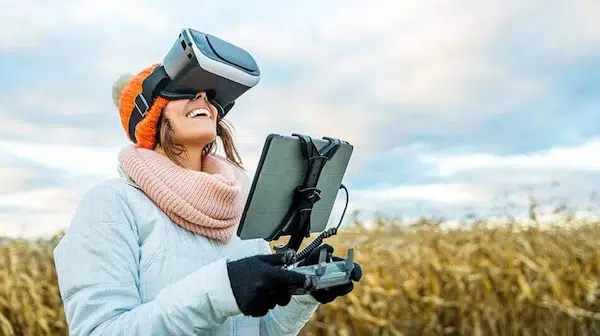
As you don your FPV goggles, the world around you fades away, replaced by a real-time, first-person view that plunges you into the heart of the action.
You become one with your drone, feeling the rush of wind as you navigate intricate racecourses, obstacle-filled environments, and awe-inspiring landscapes.
It’s a sensation that simply can’t be replicated by any other means—an adrenaline-soaked voyage that keeps you on the edge of your seat.
But FPV racing isn’t just about the thrilling experience. It’s a sport that ignites the competitive fire within. Join a league or compete with fellow enthusiasts, and you’ll quickly discover the intense nature of FPV racing. As you line up alongside other skilled pilots, the air crackles with anticipation. The countdown begins, and as the signal to start blares through your ears, you unleash your drone into a world of blistering speed and precision.

It’s a battle of wits and reflexes, a fierce competition where split-second decisions can make all the difference.
The rush of adrenaline surges through your veins as you maneuver your drone through the racecourse, defying gravity and pushing your limits to claim victory.
However, becoming a successful FPV racer requires more than just a hunger for speed. Skill development and practice are the cornerstones of success in this exhilarating pursuit.
Each flight is an opportunity to refine your piloting abilities, familiarize yourself with your drone’s nuances, and improve your reaction times.
With dedicated practice, you’ll gain the finesse and precision needed to conquer challenging maneuvers. The more time and effort you invest in honing your skills, the closer you get to unlocking your full potential as an FPV racer.
Remember, FPV racing is not for the faint of heart. It’s a world where the thrill of speed meets the hunger for competition, and where skill and practice are paramount.
Essential Components Of FPV Racing Drones
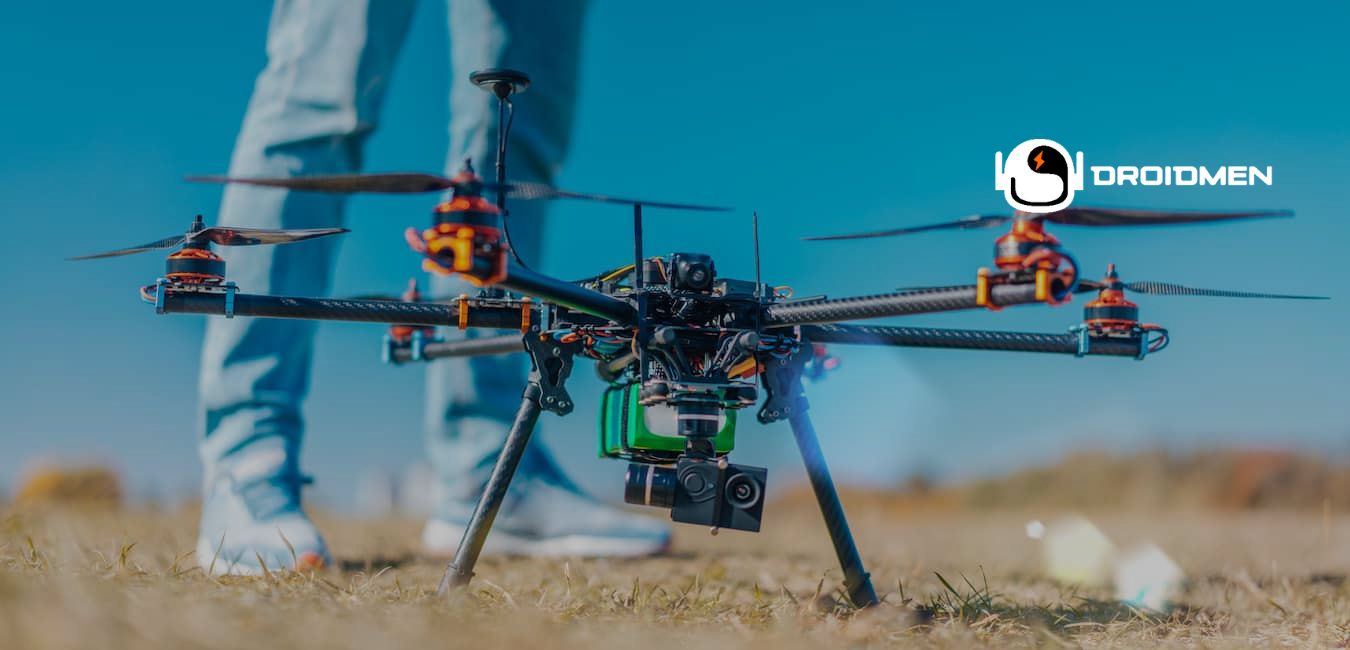
Building the ultimate racing machine requires an intricate understanding of the essential components that make up an FPV racing drone. Let’s dive into the core components.
Frame And Construction
The frame of an FPV racing drone is like its skeleton, providing structural integrity while keeping weight to a minimum. Carbon fiber frames are popular due to their lightweight and durability, allowing for agile maneuvers and resilience during crashes.
Flight Controllers And Electronic Speed Controllers (ESCs)
The flight controller acts as the brain of the drone, interpreting pilot inputs and adjusting motor speeds accordingly. Paired with electronic speed controllers (ESCs), which regulate the power and speed of each motor, these components ensure stability and precise control.
FPV Camera And Video Transmitter (VTX)
An FPV camera mounted on the drone captures a live video feed, while a video transmitter (VTX) wirelessly transmits the footage to the pilot’s goggles or monitor. These components provide the thrilling first-person view that immerses the pilot in the race.
Remote Control And Transmitter
The pilot’s lifeline to the drone, the remote control transmitter sends control signals to the drone, allowing for precise navigation and maneuvering. It’s the connection that enables pilots to execute split-second decisions during intense races.
Propellers And Motors
High-performance brushless motors generate the necessary thrust for rapid acceleration and top speeds. Paired with carefully selected propellers, these components provide the optimal balance between power, efficiency, and agility.
Battery And Power System
FPV racing drones rely on high-capacity lithium polymer (LiPo) batteries to deliver the power required for intense flights. Efficient power distribution systems ensure that power is supplied reliably to the various components while maintaining stability.
Key Features To Consider When Choosing An FPV Racing Drone
Selecting the right drone is a critical decision that can make or break your racing experience. To ensure you have the competitive edge and exhilaration you crave, several key features must be taken into account. Let’s explore 5 essential aspects to consider when choosing your FPV racing drone:
Speed And Maneuverability
FPV racing is all about blistering speed and agile maneuvers. Look for a drone that offers high-speed capabilities, swift acceleration, and the agility to navigate through challenging racecourses with precision and ease.
Durability And Crash Resistance
The intense nature of FPV racing often leads to crashes and collisions. Opt for a drone that boasts sturdy construction, reliable materials, and protective features to withstand crashes and continue racing without extensive damage or downtime.
FPV System Quality And Latency
The quality of your FPV system can significantly impact your racing experience. Choose a drone with a high-quality FPV camera and video transmitter (VTX) that provides clear and reliable video transmission with minimal latency. A low-latency system ensures real-time visuals and quick response times for optimal control.
Flight Controller Capabilities
The flight controller is the brain of your racing drone, so consider its capabilities and features carefully. Look for a drone equipped with a powerful and responsive flight controller that offers customizable settings, advanced flight modes, and stability algorithms for enhanced control and performance.
Customization And Upgrade Options
As you progress in FPV racing, you may want to customize and upgrade your drone to suit your evolving needs.
Select a drone that offers a range of customization options, including compatibility with different components, such as motors, propellers, and frames.
This flexibility will allow you to fine-tune your drone to your preferred specifications and keep up with advancements in the FPV racing community.
Learning To Fly FPV Racing Drones
Learning to fly FPV racing drones can be an exciting and challenging endeavor. FPV (First Person View) racing drones provide an immersive experience. This allows you to see and control the drone as if you were inside it. Here are 8 steps to help you get started on your journey:
Understand The Basics
Familiarize yourself with the basic components of an FPV racing drone, such as the frame, motors, flight controller, electronic speed controllers (ESCs), camera, and video transmitter. Understand how these components work together to make the drone fly.
Choose The Right Equipment
Selecting the right equipment is crucial for a good FPV experience. Consider factors like drone size, flight controller capabilities, camera quality, transmitter and receiver range, and high-quality goggles or monitors for viewing the FPV feed. Research and consult experienced pilots to make informed decisions.
Simulator Training
Before flying a real drone, it’s recommended to practice in a simulator. FPV simulators offer a realistic flight experience and help you develop essential skills without the risk of crashing your physical drone. Spend time in the simulator to learn the controls, practice maneuvering, and gain confidence.
Master The Controls
FPV drones use a mode known as “acro mode” or “rate mode,” which provides full manual control over the aircraft. This mode requires you to learn precise throttle, pitch, roll, and yaw control. Start by practicing basic maneuvers like hovering, forward/backward flight, and turning.
Learn The Flight Modes
FPV racing drones often have different flight modes that can assist or automate certain maneuvers. Common modes include stabilized or horizon mode for beginners, and acro or manual mode for more experienced pilots. Start with stabilized modes to get comfortable, and gradually transition to acro mode as you gain confidence.
Safety First
Safety is paramount when flying FPV drones. Always follow local regulations and guidelines. Find a suitable location away from people, buildings, and other obstacles. Before flying in a specific area, ensure that FPV drones are legal there.
Ensure your equipment is in good condition and regularly inspect it for any signs of wear or damage. Consider using propeller guards and protective gear when starting out.
Join A Community
FPV racing is a popular sport with a passionate community. Joining a local or online community of drone enthusiasts can provide valuable support, guidance, and opportunities for collaboration. Participate in races, attend events, and engage with experienced pilots to accelerate your learning process.
Practice, Practice, Practice
Flying FPV drones requires practice and perseverance. Set aside regular practice sessions to improve your skills. Gradually increase the complexity of your flights, attempt new maneuvers, and challenge yourself to push your limits. Learning from mistakes is an essential part of the process.
FPV Racing Safety And Etiquette
FPV racing can be an exhilarating and thrilling activity, but it’s important to prioritize safety and follow proper etiquette to ensure a positive experience for everyone involved. Here are some guidelines to help you maintain safety and etiquette while participating in FPV racing:
Know And Follow Local Regulations
Familiarize yourself with the local regulations and laws regarding drone flying. Follow any specific rules related to FPV racing, such as flight altitude limits, flying in designated areas, and obtaining necessary permits or licenses.
Fly-In Designated Areas
FPV racing should be conducted in designated areas specifically intended for drone activities. Avoid flying near crowded places, airports, residential areas, or any location where your drone could pose a risk to people or property.
Maintain Line Of Sight
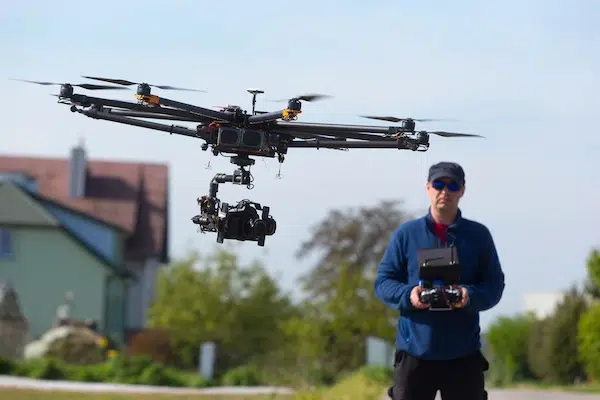
Always keep your drone within your line of sight during flights. This helps you maintain control and avoid potential collisions with other drones or objects. Avoid flying behind obstacles that obstruct your view or using excessively long-range setups that may compromise safety.
Use Spotter And Communication
When racing with other pilots, have a spotter who can assist you by keeping an eye on your drone and communicating with you about potential obstacles or hazards. Establish clear communication protocols with your spotter to ensure effective coordination during races.
Practice Risk Management
Assess the risks associated with each flight and take appropriate precautions. Evaluate weather conditions, such as wind speed and visibility, before flying. Be cautious of any potential obstacles or hazards in the flying area, including people, trees, or power lines.
Respect Privacy
Be mindful of people’s privacy while flying your drone. Avoid filming or recording in areas where individuals have a reasonable expectation of privacy. Respect private properties and obtain permission from property owners before flying over their land.
Be Aware Of Other Pilots
If you’re flying with other FPV pilots, maintain a safe distance and avoid flying too close to each other. Communicate with fellow pilots to coordinate flight paths and maneuvers. Be considerate and avoid disruptive behavior that may distract or endanger others.
Stay Calm And Composed
FPV racing can be intense and competitive, but it’s important to maintain a calm and composed demeanor. Avoid aggressive or reckless flying that may lead to accidents. Remember that safety should always take precedence over winning a race.
Share Knowledge And Support
FPV racing is a community-driven activity. Share your knowledge, experiences, and tips with fellow pilots. Offer assistance and support to beginners or those who may need guidance. Promote a positive and inclusive environment within the FPV racing community.
Essential Accessories For FPV Racing
When it comes to FPV racing, having the right accessories can greatly enhance your experience and ensure you’re well-prepared for any situation. Here are 4 essential accessories for FPV racing:
FPV Goggles And Video Receivers
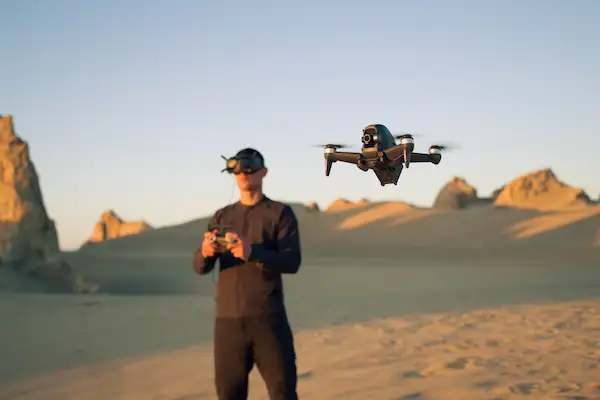
FPV goggles provide an immersive view of your drone’s camera feed, allowing you to fly as if you were in the cockpit. Look for goggles with a high-resolution display, adjustable IPD (Interpupillary Distance), and a comfortable fit.
Additionally, a quality video receiver will ensure clear and reliable reception of the video feed from your drone.
Battery Chargers And Power Management Tools
FPV racing drones require batteries to power their flight. Invest in a good battery charger that can handle multiple battery types and charge them efficiently.
Look for chargers that offer features like balancing, fast charging, and the ability to monitor battery health.
Additionally, power management tools such as a voltage checker or power distribution board can help you monitor battery voltage and manage power distribution to your drone’s components.
Tools For Repairs And Maintenance
As a drone pilot, it’s important to have a set of tools for repairs and maintenance. This may include screwdrivers, pliers, hex keys, soldering iron, wire cutters, and heat shrink tubing.
These tools will come in handy for fixing broken parts, replacing components, and performing general maintenance on your drone.
Spare Parts And Propellers
Accidents happen, and having spare parts on hand is essential for minimizing downtime. Keep a supply of commonly used spare parts like motors, ESCs, flight controllers, and antennas.
Additionally, stock up on propellers as they are prone to damage during crashes. Having spare parts readily available will help you get back in the air quickly after a mishap.
Read a relevant article on how to get started with FPV RC planes.
The FPV Racing Community And Resources
The FPV racing community offers a wealth of resources and opportunities for learning, collaboration, and networking. Here are 5 ways to engage with the FPV racing community and access valuable resources:
Participating In Local Races And Events
Look for local FPV racing events, races, or meetups in your area. Participating in these events provides an opportunity to connect with experienced pilots, learn from their techniques, and get hands-on advice.
Engaging with the local racing community can help you build connections and gain practical knowledge.
Joining Online Forums And Communities For Knowledge Sharing
There are several online forums and communities dedicated to FPV racing. Joining these platforms allows you to connect with a broader network of pilots, share your experiences, ask questions, and learn from others.
Accessing Online Tutorials And Instructional Videos
Platforms like YouTube, Vimeo, and dedicated FPV websites host a variety of videos covering topics such as drone setup, flight techniques, troubleshooting, and building custom drones. Explore these resources to gain insights, learn new skills, and stay up to date with the latest trends and advancements in FPV racing.
Following FPV Racing Influencers And Professionals
Many experienced FPV racers and professionals share their knowledge and experiences through blogs, social media channels, and personal websites. Follow influential pilots, teams, and manufacturers in the FPV racing community to gain valuable insights, tips, and tricks.
Attending Workshops And Training Sessions
Keep an eye out for FPV racing drone workshops, training sessions, or camps organized by experienced pilots or organizations. These events provide hands-on training, mentorship, and in-depth knowledge sharing.
Workshops often cover topics like advanced flight techniques, tuning, race strategy, and equipment optimization. Participating in such events can accelerate your learning and help you refine your skills.
FPV Racing Drones: Final Words
By following the essential steps, understanding the necessary accessories, and immersing yourself in the vibrant FPV racing community, you’ll be well-equipped for an incredible aerial adventure.
Remember to prioritize safety, seek knowledge from online resources and tutorials, and connect with fellow pilots.
So, put on those goggles, power up your drone, and prepare for an adrenaline-filled journey that will take your racing skills to new heights. Get ready to embrace the excitement and camaraderie of FPV racing drones!
Loved this? Get more insights in our article on How high can I fly my drone?